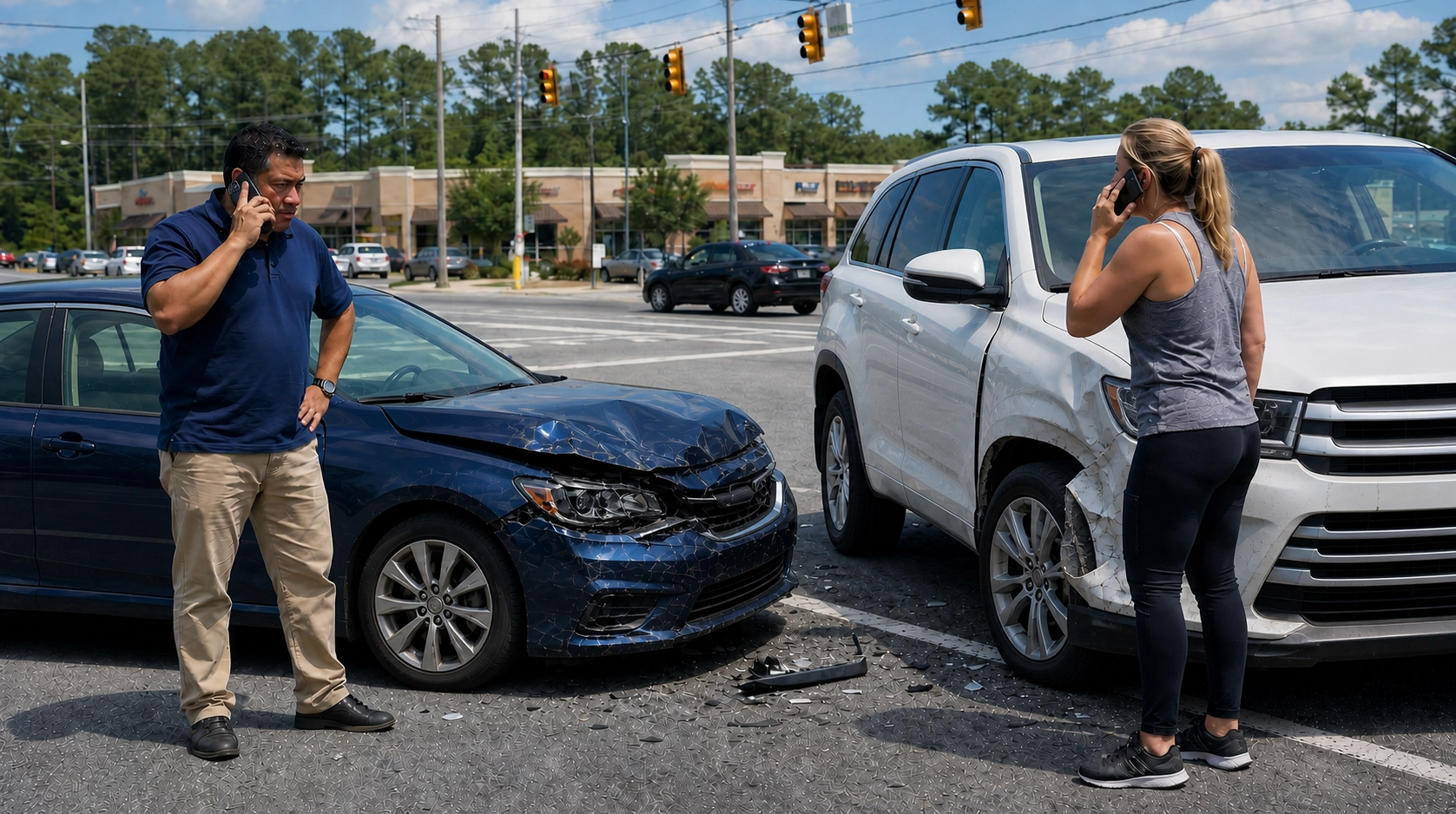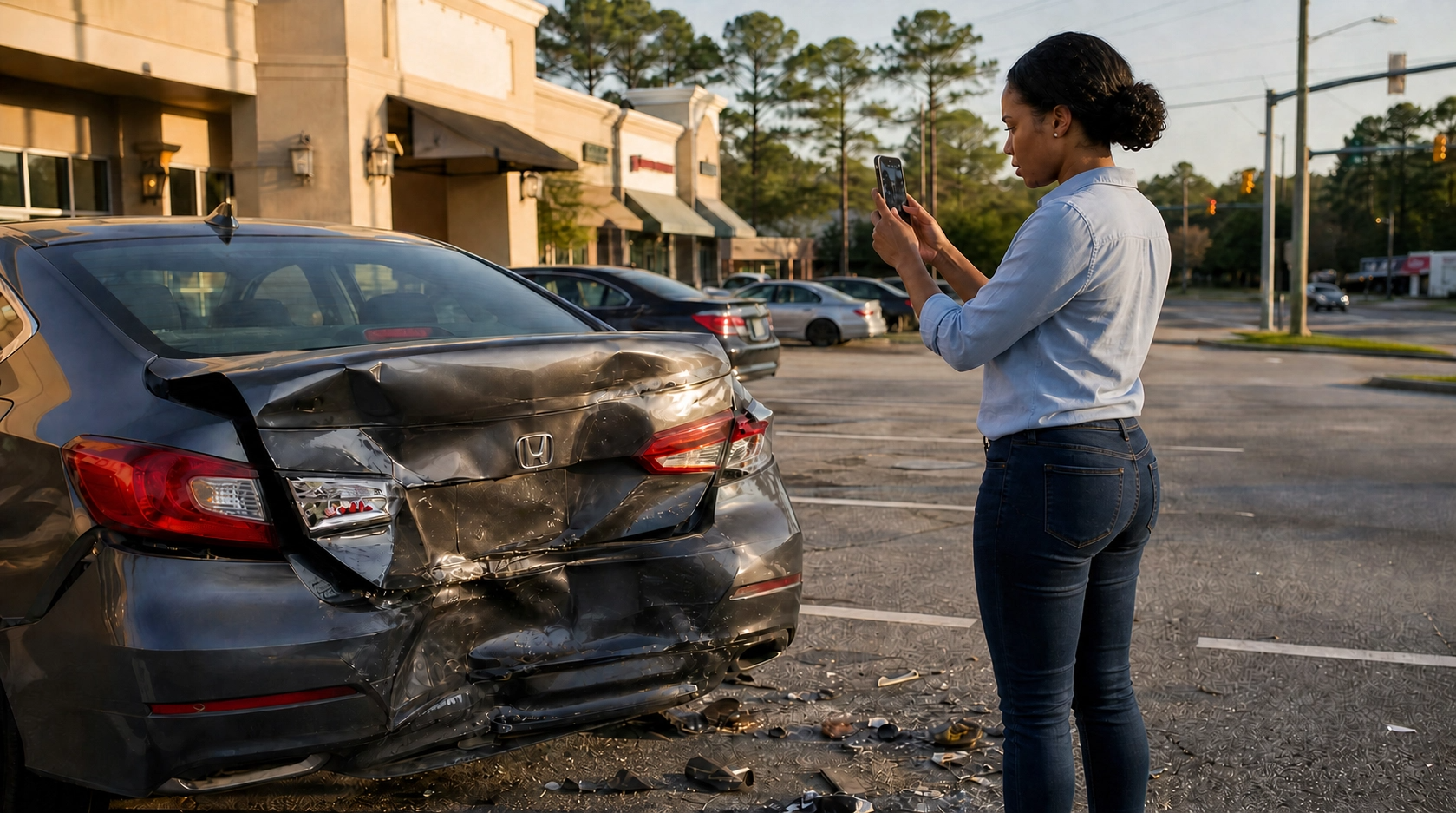
At some point after a car accident, the conversation shifts.
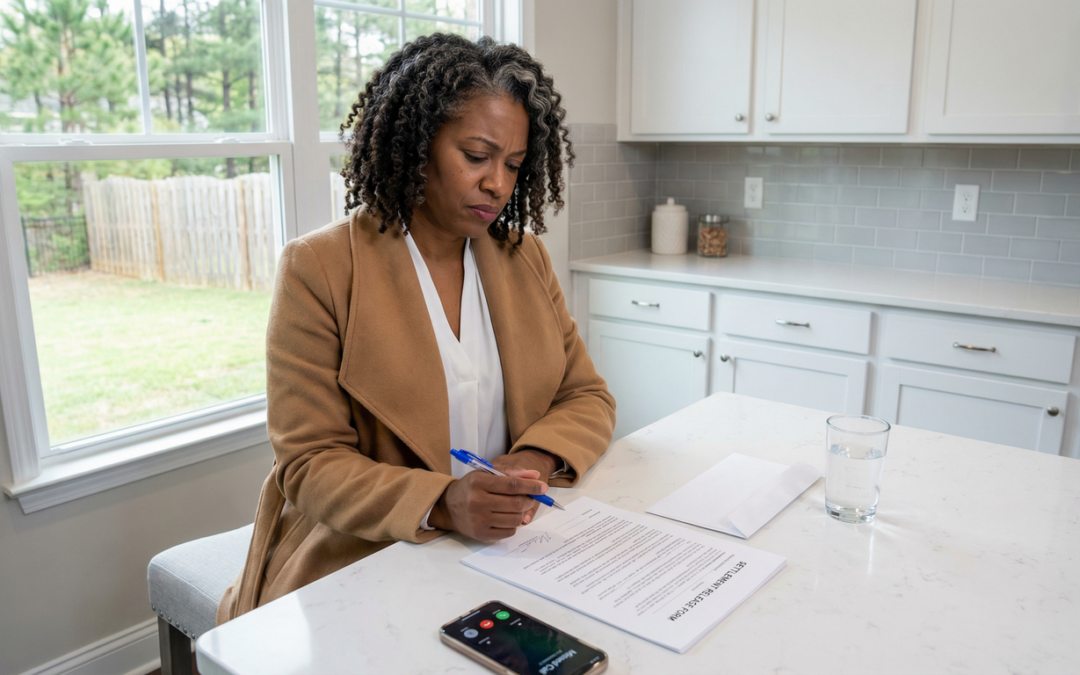
You’re no longer just answering questions or figuring out next steps. Now, there’s an offer.
It may come sooner than expected. It may sound reasonable. It may even feel like a relief to have a number in front of you.
For many people, that moment creates a simple question:
“Should I just take this and move on?”
It’s an understandable reaction.
But before making that decision, it’s important to understand what accepting that first offer actually means.

What Accepting An Offer Really Does
When you accept a settlement offer, you are not just agreeing to a number.
You are closing the claim.
That means you are agreeing that the amount offered fully resolves the situation. In most cases, it also means you cannot go back later and ask for additional compensation, even if something changes.
The decision is final.
That’s why the timing of that decision matters just as much as the amount.
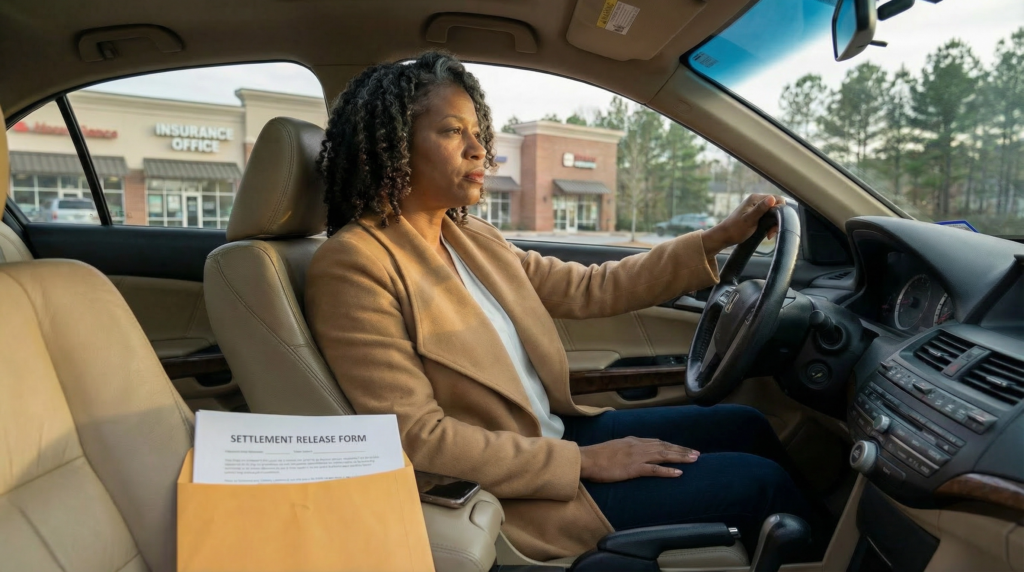
Why The First Offer Comes Early
Initial offers are often made before the full impact of the accident is clear.
At that stage, you may still be:
- learning how your body is responding
- figuring out whether symptoms will improve or persist
- managing new expenses related to the accident
From your perspective, things are still unfolding.
From the insurance company’s perspective, early resolution reduces uncertainty.
That difference in timing is important.
You are being asked to finalize something that may not be fully understood yet.
What People Don’t Realize Until Later
One of the most common issues people run into is not with the offer itself.
It’s with what happens after they accept it.
Pain that seemed manageable lingers longer than expected. Additional treatment becomes necessary. Time away from work extends beyond what they initially planned for.
At that point, the situation looks different than it did when the offer was first presented.
But the claim has already been resolved.
That’s where regret tends to come from not from the decision to move forward, but from making that decision without a full understanding of what was still unknown.
Why It Can Feel Like The Right Decision In The Moment
Accepting the first offer often feels like the easiest way to reduce stress.
It brings closure. It removes uncertainty. It gives you a clear path forward.
After days or weeks of confusion, that can feel like progress.
And in some situations, resolving things quickly may make sense.
The challenge is that relief and clarity are not always the same thing.
A decision that reduces stress in the short term can create limitations in the long term if it’s made too early.
The Role Of Information In That Decision
The decision itself is not inherently right or wrong.
What matters is the information behind it.
Do you have a clear understanding of your condition?
Do you know what your recovery is likely to look like?
Do you understand what you are giving up by accepting the offer?
Without those answers, the decision is being made on partial information.
And partial information tends to lead to uncertainty later.

Taking A Step Back Before Moving Forward
There is no requirement to immediately accept the first offer presented to you.
Taking the time to understand your situation more fully is not a delay.
It’s part of making an informed decision.
That doesn’t mean dragging things out unnecessarily. It means making sure that when you do decide to move forward, you are doing so with a clear understanding of what that decision represents.
Making A Decision You Won’t Second-Guess
Most people don’t want to “fight” anything after an accident.
They want to resolve the situation, move forward, and get back to normal.
That’s reasonable.
The key is making sure that the resolution actually reflects the full situation, not just the part of it that was visible early on.
770GoodLaw works with people who are trying to make that decision without guessing.The focus is not on pushing a specific outcome, but on helping you understand what the offer means, what you may not be seeing yet, and what makes sense based on your specific situation.