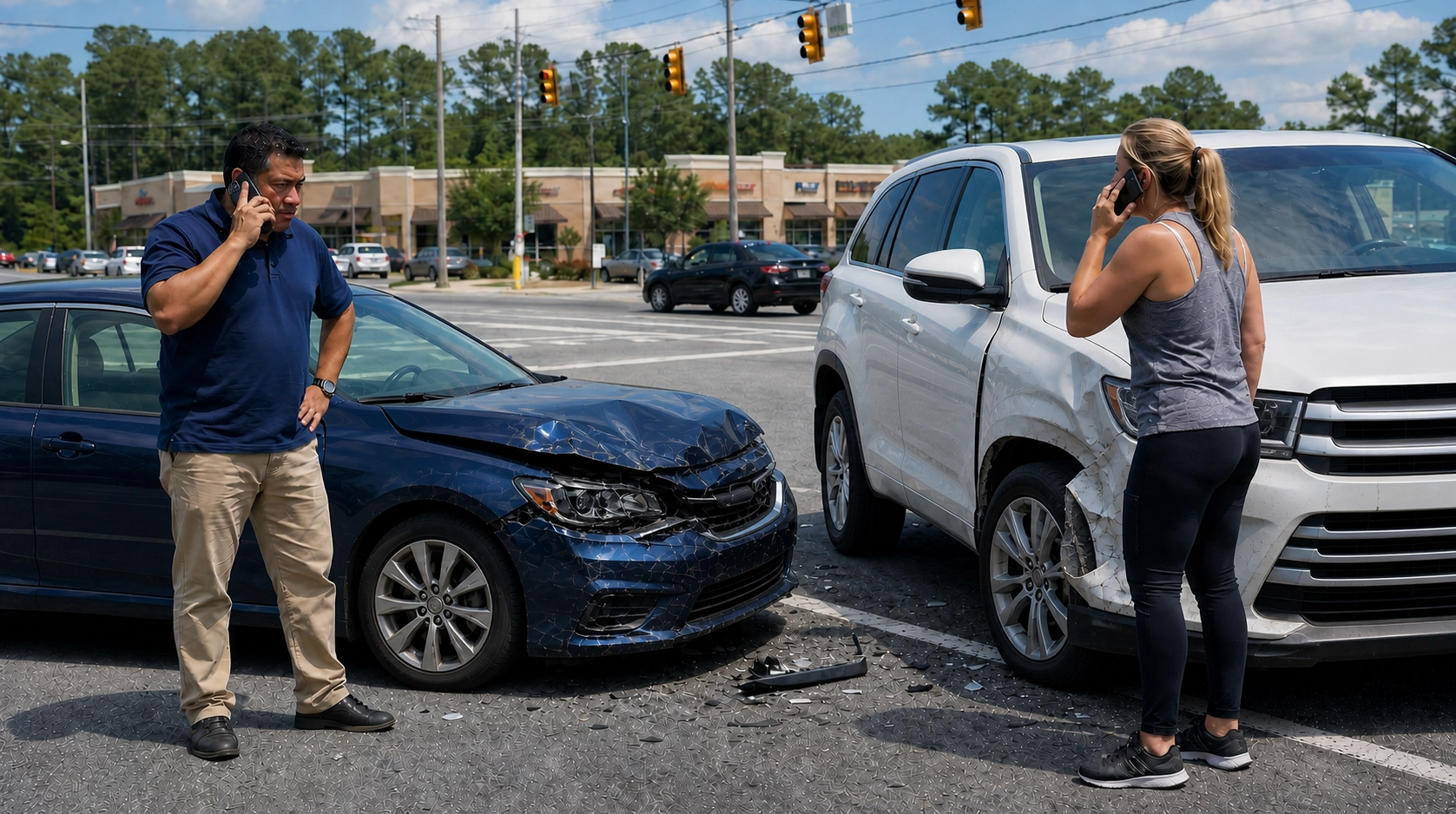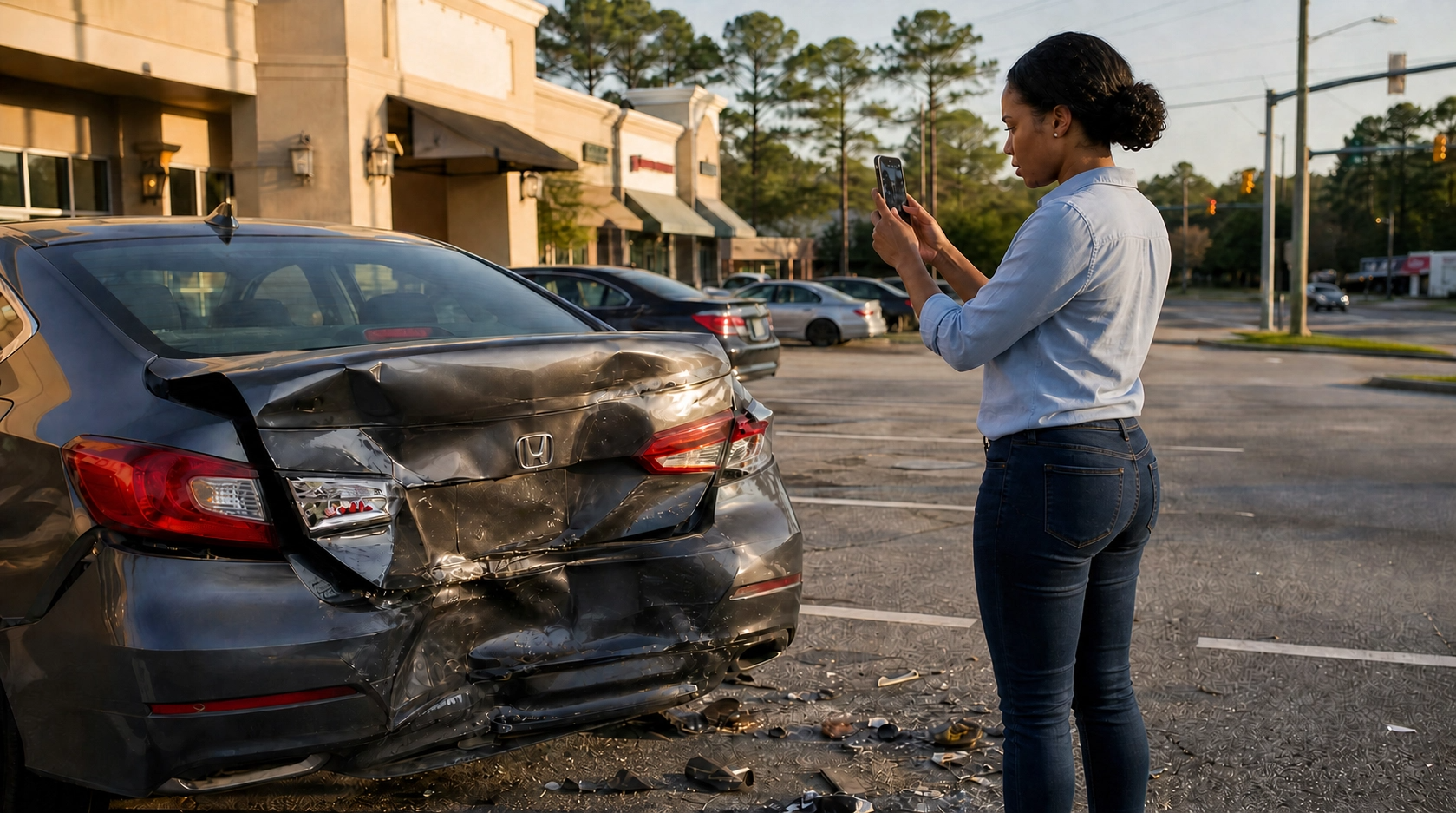
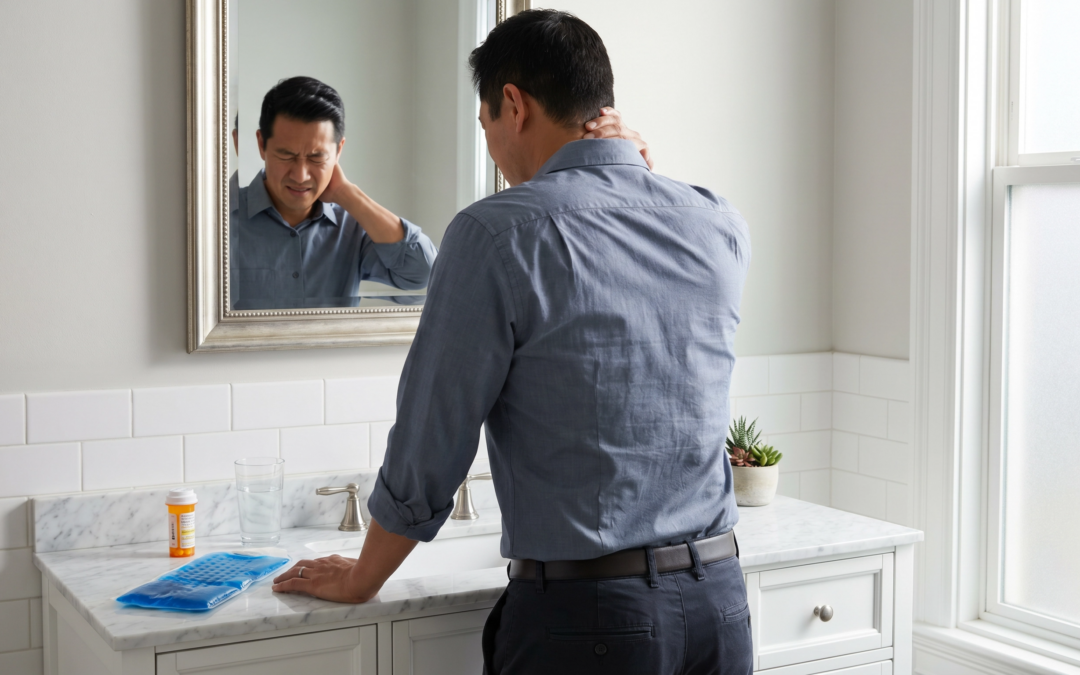
One of the most frustrating parts of a car accident isn’t always the accident itself.
It’s how quickly other people start minimizing it.
You may hear things like:
On paper, it might even seem true. The damage doesn’t look severe. You walked away from the scene. Nothing feels catastrophic.
And yet, your experience tells a different story.
Something still feels off.
“It was just a fender bender.”
“At least it wasn’t worse.”
“You look fine.”

The Disconnect Between What People See And What You Feel
From the outside, most accidents are judged by visible damage.
From the inside, it’s very different.
You’re dealing with physical discomfort that may not fully show up right away. You’re adjusting to disruptions in your daily routine. You’re fielding calls, making decisions, and trying to keep everything together at the same time.
Even small things start to add up.
Turning your head while driving feels different. Sitting at your desk is uncomfortable. Sleeping isn’t as easy as it was before.
None of that looks dramatic.
But it doesn’t feel minor either.

Why Symptoms And Stress Don’t Always Show Up Immediately
After an accident, your body and mind don’t always react on a predictable timeline.
Adrenaline can mask pain in the moment. What feels manageable at first can change over the following days. Discomfort can become more noticeable once you slow down and return to your normal routine.
At the same time, the mental side of things starts to build.
You’re thinking about what happened. Replaying it. Wondering if you could have done something differently. Trying to figure out what you’re supposed to do next.
That combination physical and mental is what makes the situation feel heavier than it looks.
The Pressure To “Be Fine”
There is also an unspoken expectation that you should move on quickly.
You may feel it from others. You may even feel it from yourself.
You don’t want to overreact. You don’t want to seem dramatic. You don’t want to make this bigger than it needs to be.
So you start downplaying what you’re experiencing.
You tell people you’re okay, even if you’re not entirely sure that’s true. You try to push through discomfort. You assume things will resolve on their own.
That pressure can make it harder to recognize when something actually needs attention.
Why People Start Second-Guessing Themselves
When your experience doesn’t match what others expect, doubt starts to creep in.
You may start asking yourself:
“Am I making this bigger than it is?”
“Is this normal?”
“Should I just move on?”
That uncertainty can be more stressful than the situation itself.
Because now, instead of just dealing with the accident, you’re also questioning your own judgment.
What “Minor” Really Means In These Situations
The term “minor accident” is often misleading.
It usually refers to how the accident looks, not how it affects you.
Two people can be involved in similar collisions and have completely different experiences afterward. Different physical responses. Different levels of disruption. Different recovery timelines.
That’s why relying on labels can be risky.
What matters is not how the accident is categorized.
What matters is how it is actually impacting you.
Taking Your Situation Seriously Without Overreacting
There is a difference between overreacting and paying attention.
Taking your situation seriously does not mean assuming the worst. It means recognizing that you may not have the full picture yet and giving yourself the space to understand it.
You don’t need to rush to conclusions. But you also don’t need to dismiss what you’re experiencing just because it doesn’t look severe to someone else.
Most people who run into problems later are not the ones who overreacted.
They are the ones who assumed everything was fine too early.

Moving Forward With Confidence Instead Of Doubt
If you’ve been telling yourself “it’s probably nothing” but something still doesn’t feel right, that’s worth paying attention to.
Not with panic. Not with assumptions.
But with clarity.
770GoodLaw works with people who are in exactly that position after an accident unsure if what they’re experiencing is serious, unsure what to do next, and unsure who to trust for a clear answer.
The goal is not to make the situation bigger than it is.The goal is to help you understand it for what it actually is, so you can make decisions with confidence instead of second-guessing yourself.