Quick Summary
SR-316 is a fast-moving Georgia corridor where chain-reaction crashes and serious injuries happen frequently, and the cases that follow are often more complex than standard surface-street accidents. Insurance companies on large cases move quickly, and the legal questions that come up here do not always come up elsewhere. This article is a guide for people hurt in multi-vehicle collisions on this route.
Why SR-316 Crashes Become Serious Cases
SR-316 is the kind of road where speed changes everything about a case.
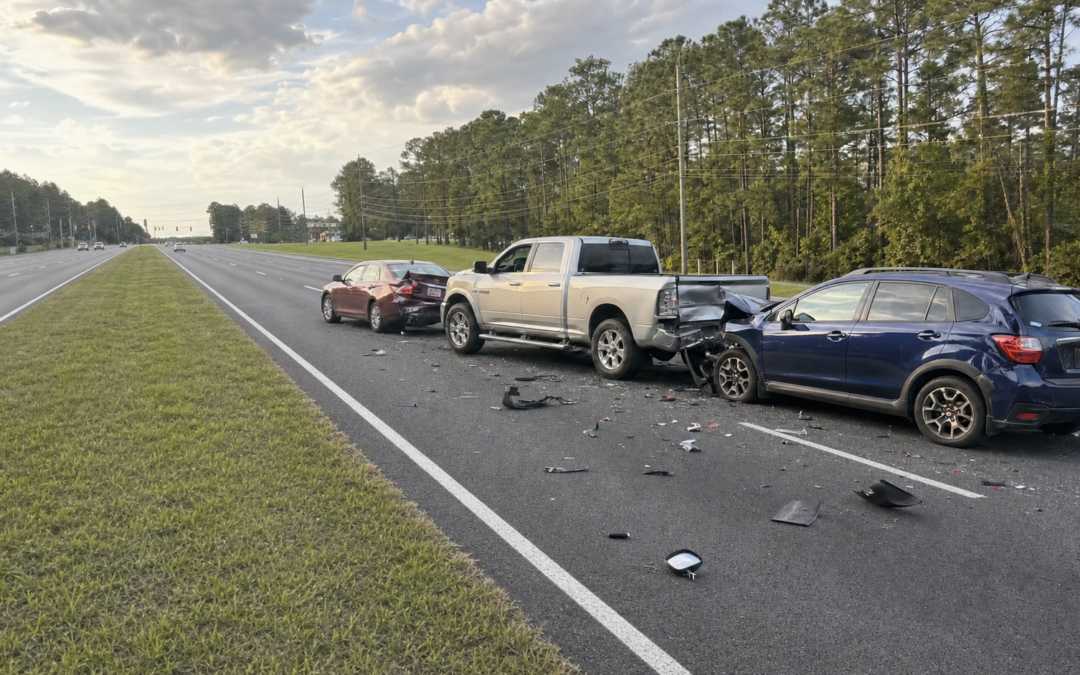
At highway speeds, what would be a minor fender-bender on a surface street becomes a major injury event. And when traffic compresses suddenly, like a sudden slowdown, a vehicle changing lanes without warning, a crash can spread through several cars before anyone has time to brake.
Common complications include:
- Chain-reaction impacts involving three or more vehicles
- Disputed stories about who triggered the sequence
- Serious neck, back, and head injuries
- Commercial traffic or work vehicles in the collision pattern
- Damage patterns that make vehicle positions and impact order critical
That means the evidence matters early. And small mistakes in the first hours can matter more than people expect.
What Should You Do Right After A Crash On SR-316?
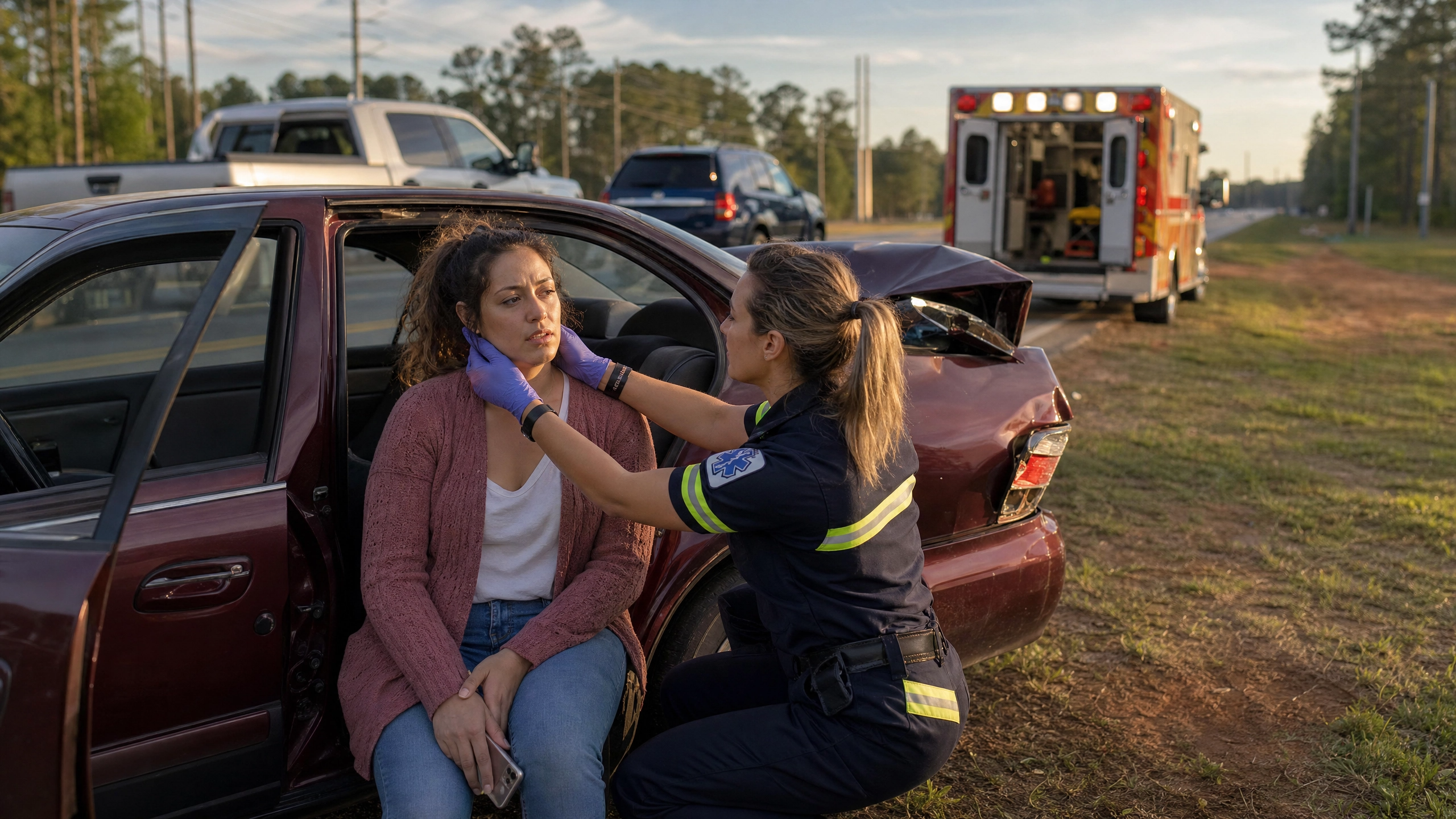
If you can do so safely, start with the basics:
- Move to a safer position if the vehicle can be moved
- Call 911
- Get medical attention, even if you’re not sure how badly you’re hurt
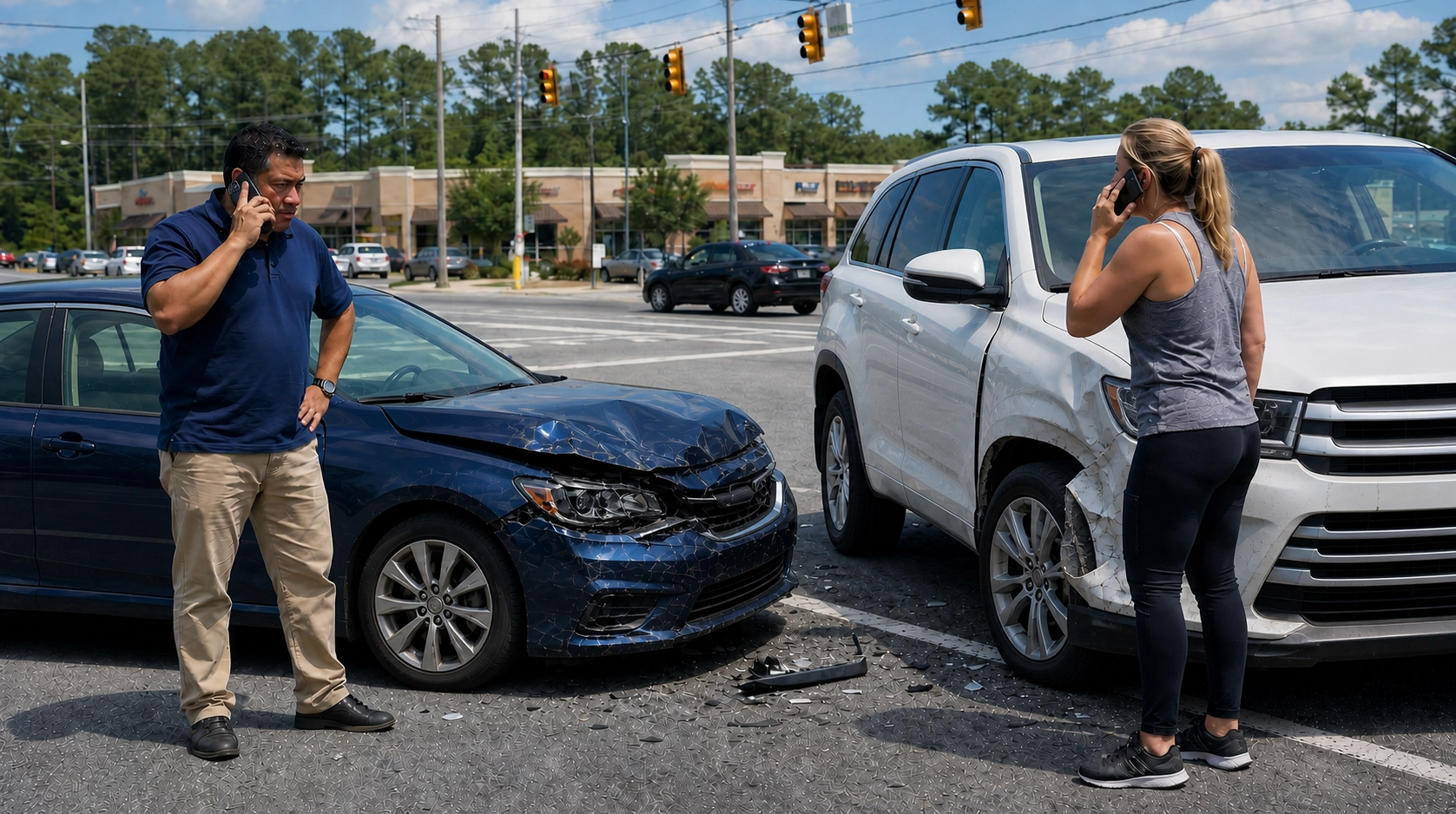
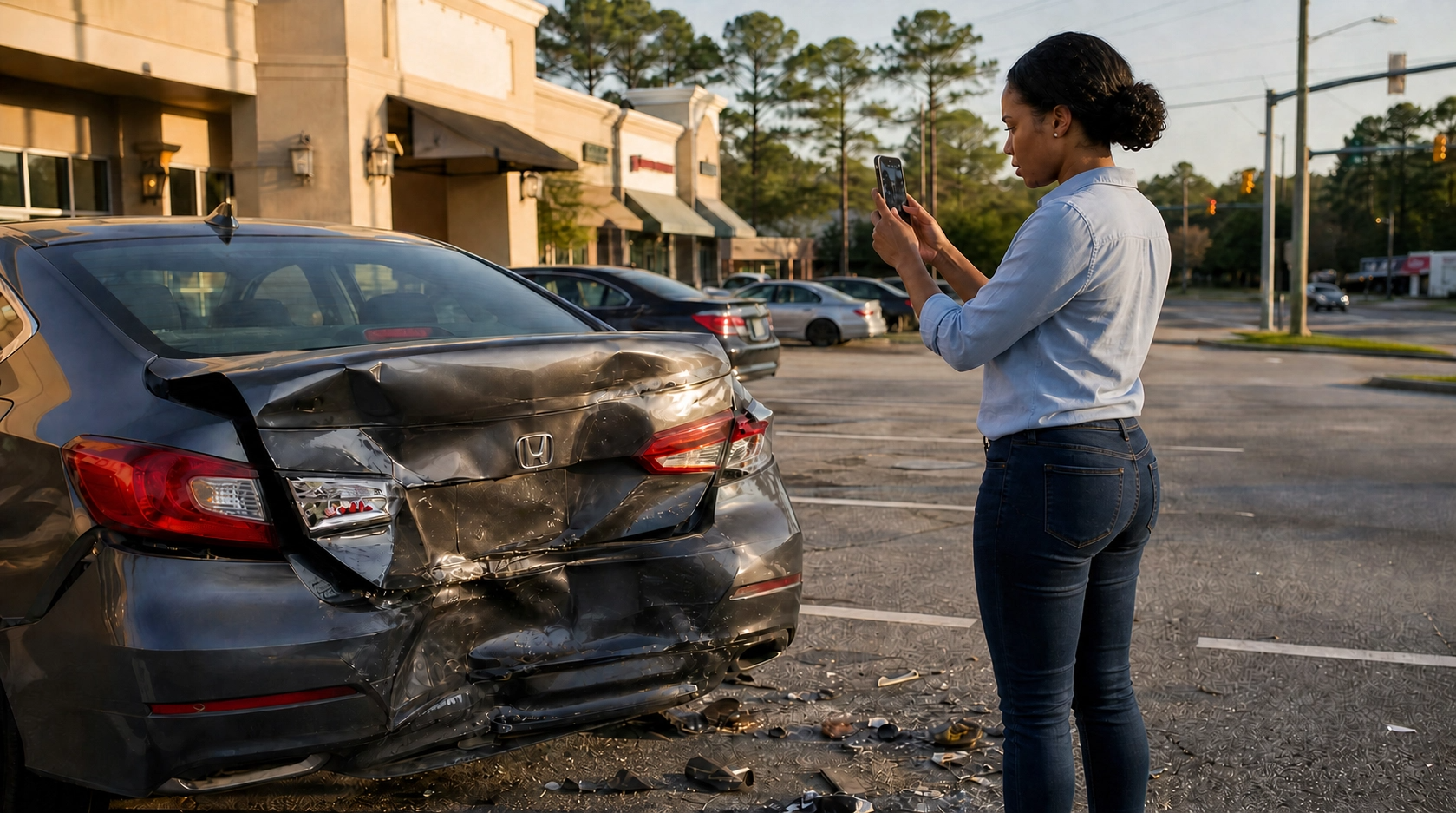
- Take photos of the scene, vehicle damage, lane positions, and debris
- Exchange information with the other drivers
- Get witness names if anyone saw the crash happen
Don’t assume you’ll remember everything later. A multi-vehicle crash unfolds in seconds, and memory gets less reliable fast. Write it all down as soon as you can.
Why Prompt Medical Care Matters
People hurt on SR-316 underestimate how hard their bodies got hit, especially if airbags deployed, there were multiple impacts, or the crash happened at high speed.
Symptoms that can appear hours or days later include:
- Headaches
- Neck stiffness
- Mid-back or low-back pain
- Numbness or tingling
- Shoulder pain
- Dizziness or confusion
These injuries showing up later doesn’t make them less real. But it does create a problem if you haven’t been checked out yet.
Getting seen early helps you get the right treatment. And it creates the medical record that connects your symptoms to the crash, the record that becomes a problem for the insurance company to ignore.
Why Evidence Is So Important In A Chain-Reaction Collision
In a multi-vehicle case, insurers argue over sequence.
Who hit first? Which vehicle was already stopped? Did one impact push another vehicle forward into a third? Was a truck unable to stop in time? Every insurer has a theory, and their theory conveniently places their driver’s role as small as possible.
Useful evidence includes:
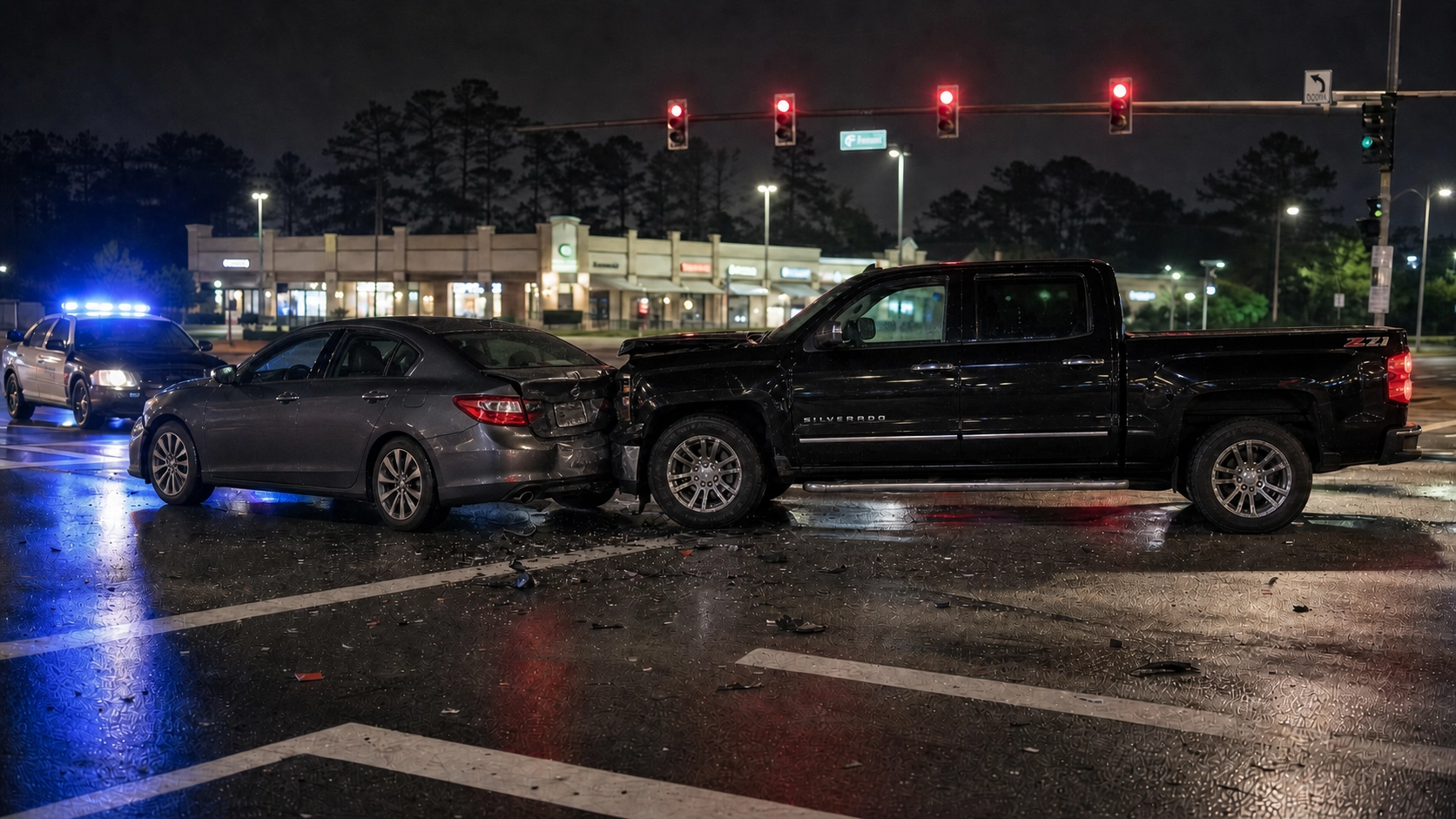
- Photos showing final resting positions of every vehicle
- Close-up damage photos from multiple sides
- Debris patterns on the road
- The officer’s written observations in the police report
- Witness statements from anyone who saw the sequence
- Dashcam or nearby video footage
If a work truck, commercial van, or tractor-trailer was involved, identifying that vehicle correctly and quickly is critical from the start.
What If A Truck Or Company Vehicle Was Part Of The Crash?
That makes the claim much harder.
SR-316 sees regular commercial traffic. If a truck or business vehicle played a role in what happened, the case may involve larger insurance policies, company investigators who start working the case immediately, and questions that go beyond the driver alone.
Questions that may need answers right away include:
- Was the driver working when the crash happened?
- Did the company put unrealistic pressure on their drivers to keep moving?
- Was the vehicle properly maintained?
- Are there logs, records, or data that need to be preserved immediately?
If that applies, a Georgia truck accident lawyer may need to review the case early. Some records have short preservation windows. Act fast.
How Insurance Companies Try To Narrow SR-316 Claims
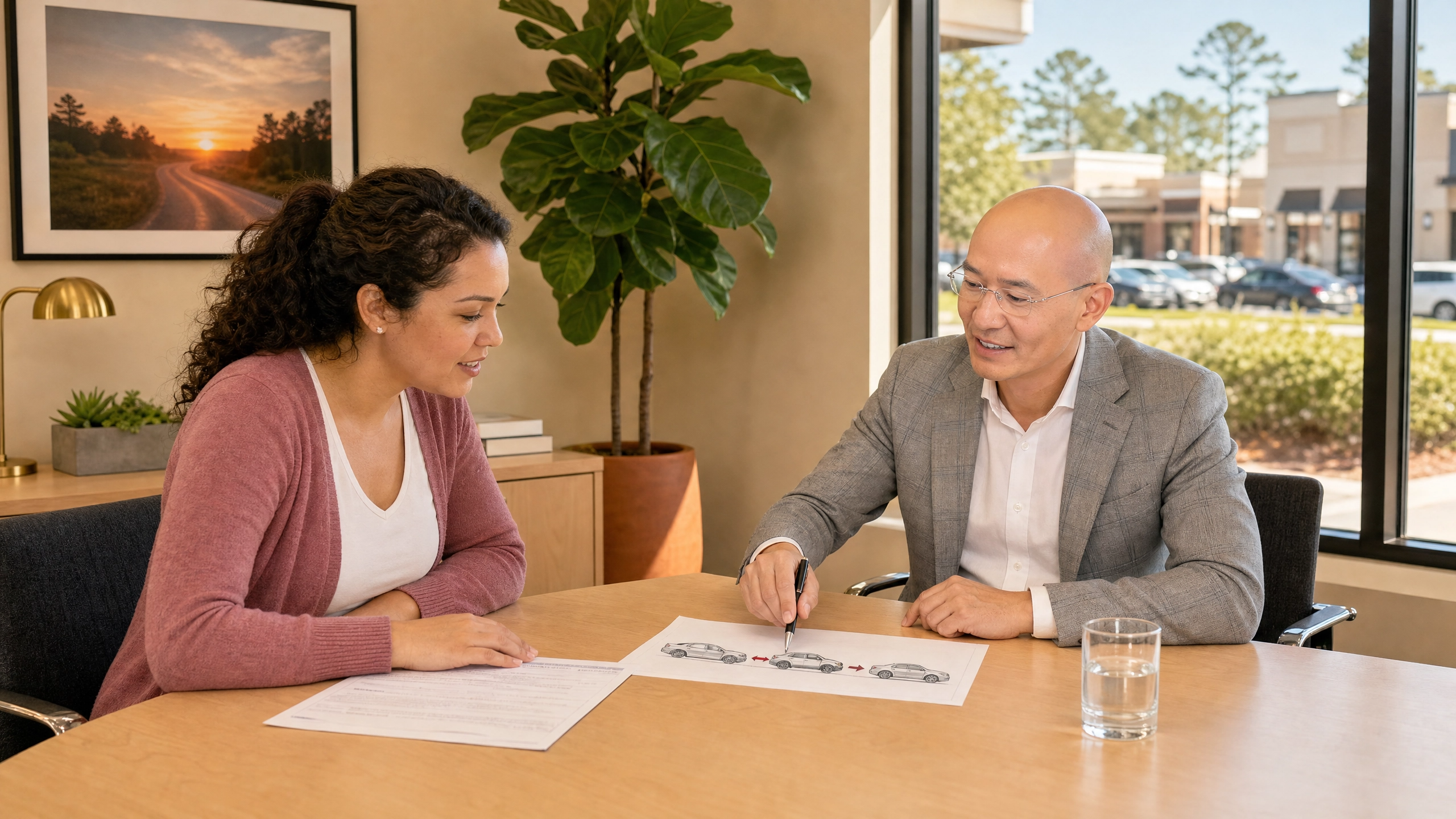
After a corridor crash, the insurance company may contact you before you’ve even had a chance to figure out how your symptoms are developing.
They may try to:
- Get a recorded statement while the sequence is still unclear to you
- Reduce the seriousness of the impact on paper
- Suggest another driver caused the actual injury-producing collision
- Push a settlement before your treatment is complete and the full damage is known
That’s why early conversations require care. If you don’t yet know the full sequence, or the full extent of your injuries, guessing about either one can hurt your claim. Say what you know. Stop there.
Why Early Legal Guidance Matters Here
A lot can happen in the first few days after an SR-316 crash.
Evidence disappears. Vehicles get repaired. Witnesses become hard to track down. Insurance narratives harden into positions that are much harder to change later.
Early legal guidance can help with:
- Preserving evidence before it’s gone
- Identifying commercial or employer involvement from the start
- Organizing medical records from day one
- Avoiding statement mistakes that close off options later
- Dealing with the practical stress of no transportation and a damaged vehicle
That kind of steady support matters when the whole process feels like it’s moving against you.
When Should You Reach Out For Help?
Get answers early if:
- Multiple vehicles were involved
- Your pain is increasing in the days after the crash
- A truck, company van, or work vehicle was part of the collision
- Fault is being disputed
- The insurer is already pushing for a quick statement or settlement
If you were hurt on SR-316, you may also want guidance from a car accident lawyer who knows what evidence matters and what steps protect the claim before the window closes.
What Evidence Matters Most In An SR-316 Crash Case?
Evidence in a highway corridor crash disappears fast.
The Georgia Department of Transportation and Gwinnett County maintain cameras at various points along SR-316. Footage from those cameras can sometimes be obtained, but the window to request it is short. Nearby businesses may also have exterior cameras with angles on the road or intersection approach. A preservation request, a spoliation letter, sent quickly can lock that footage down before it’s overwritten.
A police report documenting the responding officer’s on-scene observations is essential. So is prompt medical documentation. If you waited a few days before seeking care, having a clear explanation of why the delay happened and what symptoms developed over that time can help address the gap.
For crashes involving commercial vehicles, your attorney may also need the truck driver’s logs, maintenance records, and the carrier’s safety compliance history. These records don’t get preserved automatically. The request has to go out early.
If you were hurt on SR-316 and aren’t sure whether your case is straightforward or complex, the answer usually comes down to what other vehicles were involved, the sequence of impacts, and what the insurer is already saying. Those facts are worth reviewing with someone who handles Georgia highway crash cases.
The statute of limitations in Georgia starts on the date of the crash, not the date you decide to pursue a claim.
Call (770) GOOD-LAW for a free case evaluation.