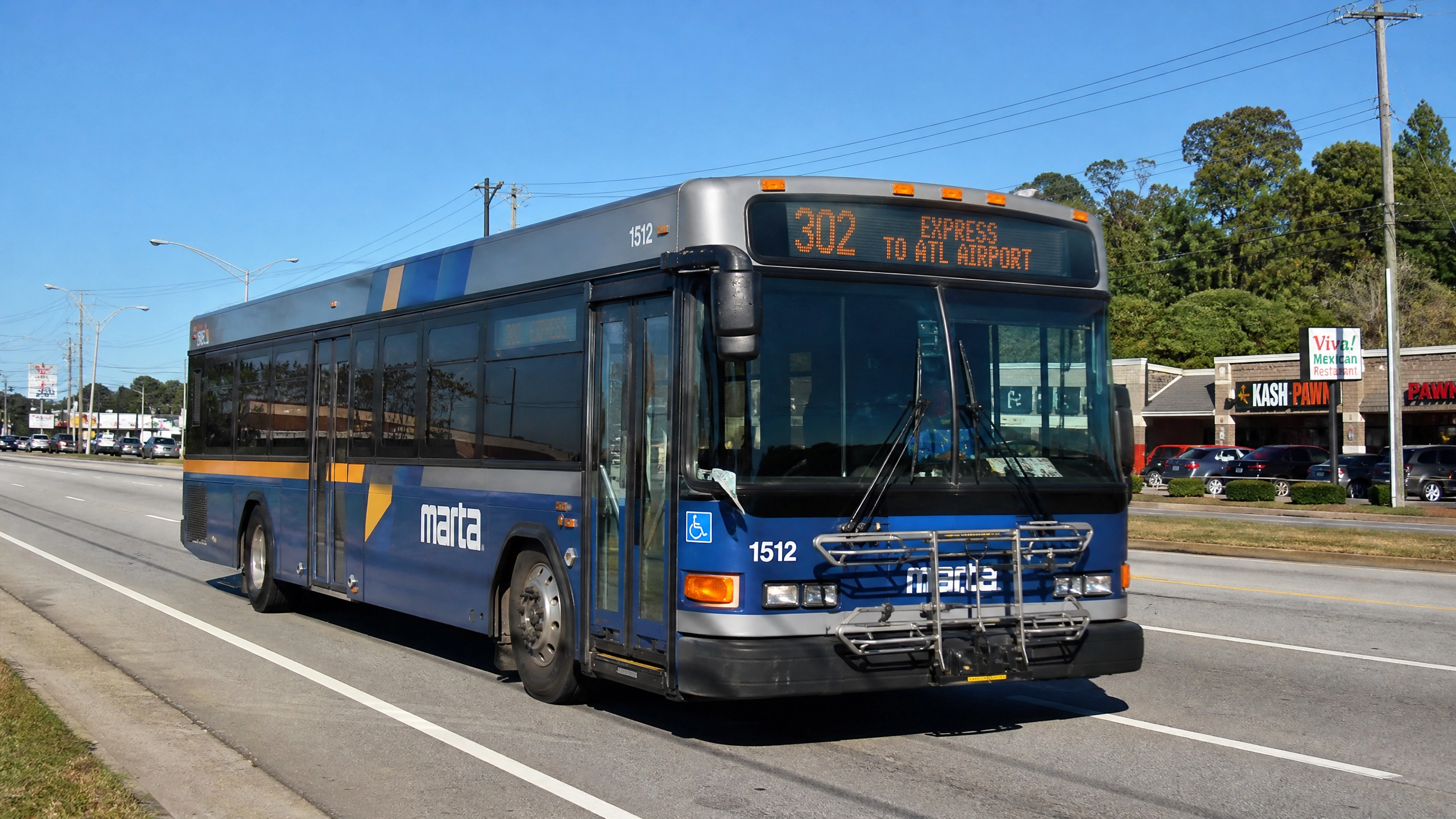
Uber and Lyft crashes are more complicated than typical car accidents, and insurance companies know it. When multiple policies, app statuses, and corporate interests are involved, injured people often get caught in the middle. At 770GoodLaw, our rideshare accident lawyers in Athens help you figure out exactly where you stand and what your claim may be worth.
Our founder spent years working on the insurance side before switching to plaintiff law. That background means we understand how insurers evaluate rideshare claims and how they try to minimize them. If you have questions about your rights after the crash, our Athens personal injury lawyers are here to walk you through your options during a free consultation.
Who Can File a Rideshare Accident Claim in Athens
You do not have to be a paying passenger to have a claim after a rideshare crash. The following people may all have grounds to pursue compensation:
- Passengers in the Uber or Lyft vehicle
- Drivers or passengers in another vehicle involved in the collision
- Pedestrians or cyclists struck by a rideshare vehicle
- Bystanders injured as a result of the crash
The central question is not whether a rideshare vehicle was involved; it is whether someone’s negligence caused your injuries. A rideshare driver who runs a red light, stops abruptly in traffic, or is distracted by their app is still a negligent driver. The fact that they were working for a platform does not change that.
Athens presents various high-risk rideshare scenarios: late-night pickups near bars, drop-offs around the University of Georgia, and congested intersections where drivers are on their phones instead of the road. If you were hurt in these situations, your first step is understanding who may be responsible, which depends on what the driver was doing at the time.
How Rideshare Insurance Works, and Why It Matters
One of the most confusing parts of an Athens rideshare accident claim is figuring out which insurance policy applies. The answer changes depending on the driver’s app status at the moment of the crash.
When the App Is Off
The driver’s personal auto insurance applies. Rideshare companies have no coverage obligation.
When the App Is on but No Ride Is Accepted
Georgia law requires the rideshare company to provide primary liability coverage of at least:
- $50,000 per person for bodily injury
- $100,000 per incident for bodily injury or death
- $25,000 for property damage
When a Ride Is Accepted Through Trip Completion
Once a driver accepts a request, including while driving to pick up the passenger, Georgia requires at least $1 million in primary liability coverage for bodily injury, death, and property damage combined.
That $1 million figure does not mean every injured person receives that amount. Fault, the number of claimants, applicable policy terms, and available coverage all affect what is actually recoverable. Personal insurers may also raise business-use exclusions to avoid paying out, and disputes can arise over exactly when a trip started or ended.
These are the kinds of coverage fights that benefit from having an Athens rideshare accident lawyer in your corner.
Determining Fault After an Uber or Lyft Crash
Fault in a rideshare accident is not always straightforward. More than one party can share responsibility, and identifying all of them matters for your recovery.
A negligence claim generally requires showing that someone owed you a duty of care, breached it, and caused your injuries as a result. In rideshare crashes, that breach might involve:
- Distracted driving: the driver looking at the app instead of the road
- Speeding or aggressive driving
- Unsafe pickups or drop-offs that endanger pedestrians or cyclists
- Failure to yield at intersections
- Driver fatigue: rideshare drivers often work long hours across multiple platforms
Another driver could also be at fault, either entirely or in part. Vehicle maintenance failures or road conditions may be worth investigating too. The rideshare company’s insurance obligations and its direct legal liability are separate questions; access to a policy does not automatically mean Uber or Lyft acted negligently. We look at the actual facts before drawing conclusions.
Evidence That Strengthens Your Athens Rideshare Claim
The evidence you gather or preserve in the days after a crash can make a significant difference to your claim. Here is what matters most:
At the scene (if it is safe to do so): Photograph the vehicles, road conditions, visible injuries, traffic signs, and the surrounding area. Get the driver’s information and note any witnesses. Make sure the crash is reported and keep the police report number.
From the rideshare platform: Save your trip receipt, booking confirmation, driver details, and any in-app messages. Screenshot the ride status. Report the crash through the platform but keep your own copies of everything; do not rely solely on the app.
Digital and third-party records: Trip timestamps and GPS data can help establish the driver’s app status and location. Nearby business surveillance footage or dashcam recordings may also be relevant, but these are often overwritten within days. Acting quickly matters.
Medical records: Your treatment history connects your injuries to the crash. Tell your providers when symptoms started, follow their recommendations, and keep records of every appointment, prescription, and referral. Gaps in treatment can be used against you by insurers.
At 770GoodLaw, we can help identify what additional evidence exists, request records before they are lost, and assess what the overall picture supports.
What Compensation May Be Available
A rideshare accident claim in Athens can include compensation for both financial losses and the broader impact on your life.
Economic damages cover the tangible costs:
- Medical bills, including emergency care, surgery, and rehabilitation
- Future medical expenses if ongoing treatment is needed
- Lost wages while you were unable to work
- Reduced earning capacity if your injuries affect your long-term ability to work
- Property damage
Non-economic damages address what cannot be itemized on a receipt: the pain, the disruption to your daily life, the emotional toll of a serious injury. These are harder to quantify, but your treatment history, recovery limitations, and the documented changes to your routine all help establish their value.
Before settling, it is worth understanding whether your medical outlook is clear enough to account for future costs, and whether any health insurance reimbursement obligations or medical liens could reduce your net recovery. A settlement that looks fair on paper can leave you short if those factors are not addressed. No specific outcome is guaranteed, but having a clear picture of your losses before you negotiate is always the right starting point.
Georgia’s Deadlines and Fault Rules
Georgia generally gives you two years from the date of injury to file a personal injury lawsuit. This is the statute of limitations. Miss it, and you typically lose the right to pursue compensation entirely, regardless of how strong your claim is.
A few important nuances:
- Claims involving a death follow a separate timeline under Georgia’s wrongful death statute
- Claims involving a minor may have different rules
- Claims against a government entity may require formal notice within as little as six months
Ongoing insurance negotiations do not pause the filing deadline. Waiting also makes it harder to locate witnesses and obtain electronic records that may be deleted or overwritten. Early legal review protects your options.
Georgia also follows a modified comparative negligence rule. If you are found to be 50% or more at fault, you cannot recover damages. Below that threshold, your recovery is reduced by your percentage of fault. If an insurer tries to shift blame onto you after an Athens rideshare accident, we can examine whether that position is actually supported by the evidence.
How 770GoodLaw Handles Athens Rideshare Cases
When you contact us, we start by listening to what happened, how you were hurt, and what you already know. From there, we review the collision report, medical records, trip data, photographs, and witness accounts to build a clear picture of the claim.
We identify potentially responsible parties, analyze which insurance coverage applies, and handle communications with adjusters on your behalf. If you receive a request for a recorded statement, a medical authorization, or a settlement release, we will explain exactly what you are being asked to agree to before you sign anything.
If a fair settlement cannot be reached, 770GoodLaw has an in-house litigation team and is not afraid to take your case to court. Many firms settle because they are not set up to litigate, but we are. That changes the dynamic in negotiations.
We also coordinate your vehicle rental and repair at no cost to you, and our contract includes a clause that we will never take home more in fees than you take home in your settlement.
Talk to a Rideshare Accident Lawyer in Athens Today
You do not need to have every answer before you reach out. Gather what you have—trip records, crash photos, medical paperwork, insurer correspondence—and contact 770GoodLaw to talk through what happened.
A review of your claim can clarify your options, identify the deadlines that apply, and give you a realistic sense of what your case may involve. The sooner you act, the more options you have.
Contact 770GoodLaw to discuss your Athens rideshare accident claim.