Quick Summary
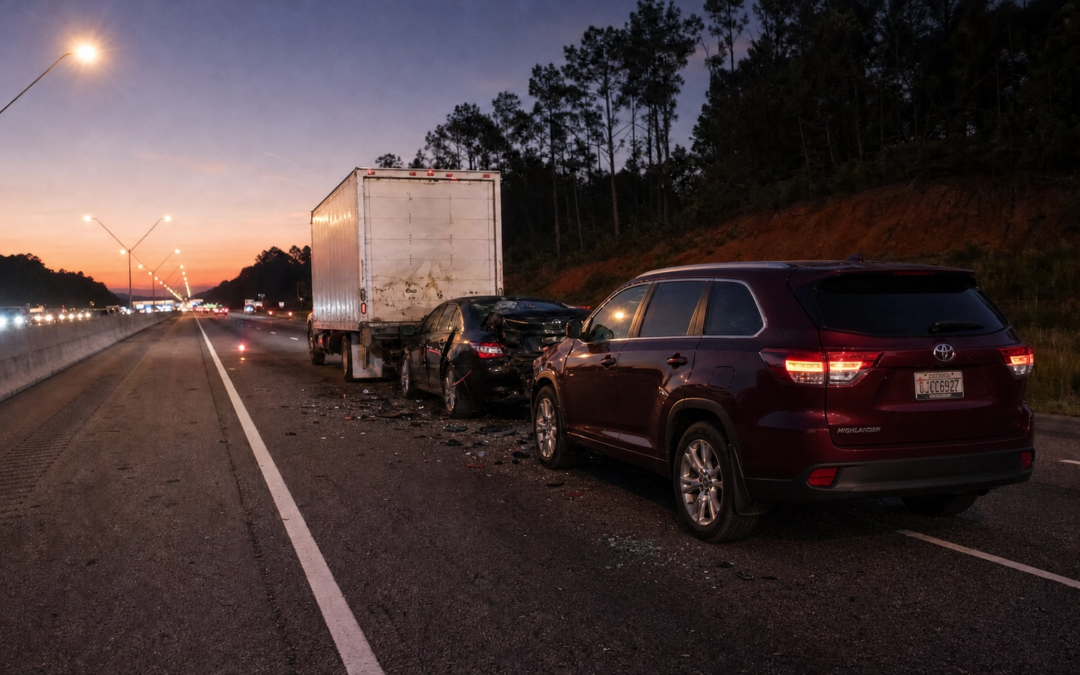
A crash on I-85 can involve high speeds, multiple vehicles, serious injuries, and commercial traffic that changes the legal complexity of a claim. Evidence disappears fast on a high-traffic interstate, and sorting out liability across multiple parties takes time. This article is a guide for people hurt in the kinds of multi-vehicle crashes that happen on this corridor.

Why I-85 Crashes Are Different From Typical Local Road Collisions
Interstate crashes are not like neighborhood accidents. They’re not even close.
On I-85, you’re dealing with higher-speed impacts, chain reactions that spread across multiple vehicles in seconds, limited time to react, and commercial traffic that brings its own legal complications. That combination means the medical and liability issues expand fast, sometimes faster than victims realize.
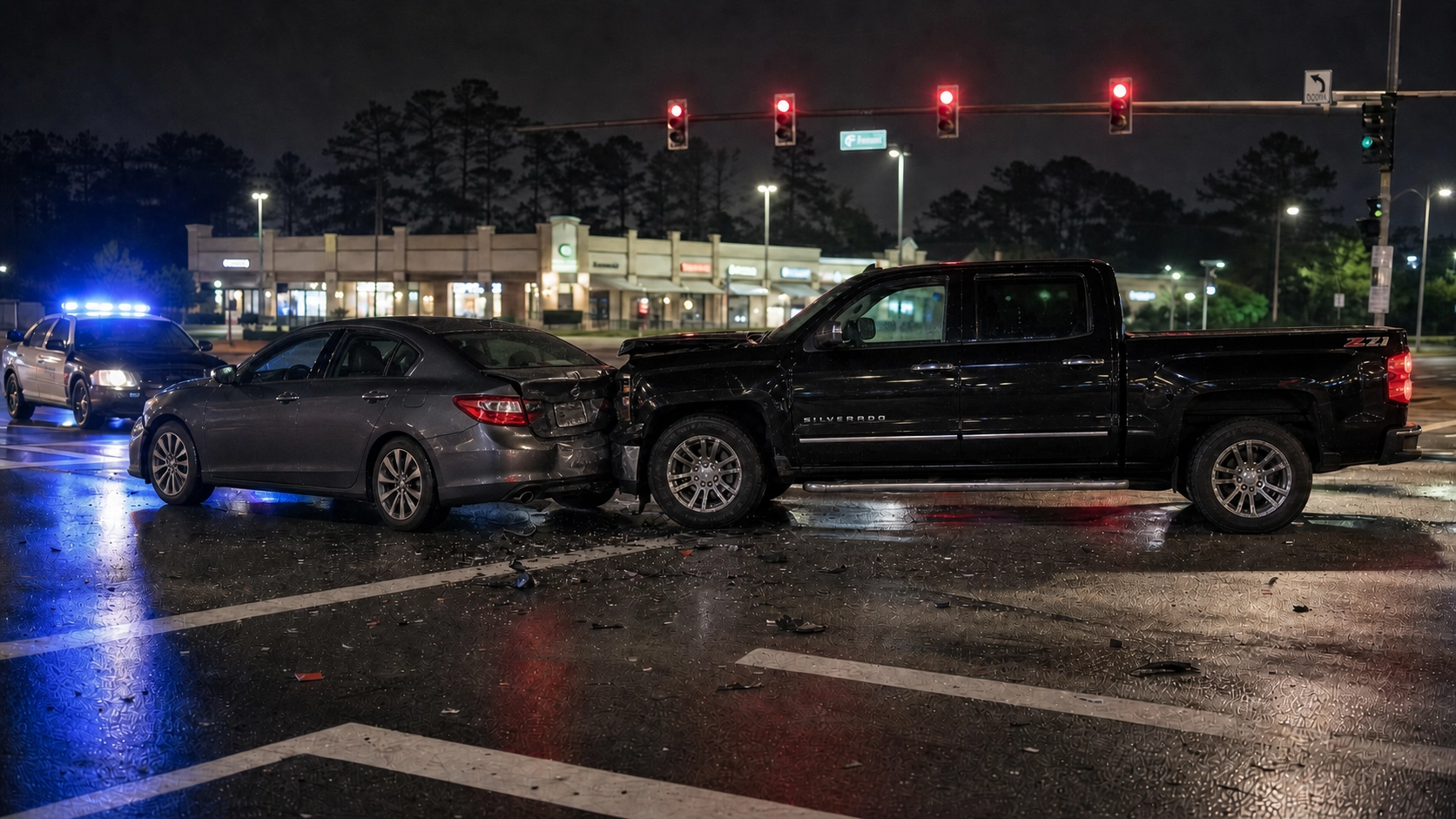
What starts as what seems like a simple rear-end collision can turn into something much bigger once you learn a commercial driver, unsafe following distance, or a sequence of hits changed the whole picture.
What Should You Do Immediately After An I-85 Crash?

Safety comes first.
If you can move and it’s safe to do so, get out of the active travel lanes. Interstate traffic creates real danger after the initial crash. Cars and trucks don’t always see stopped vehicles in time. Call 911 and wait for emergency responders to reach you.
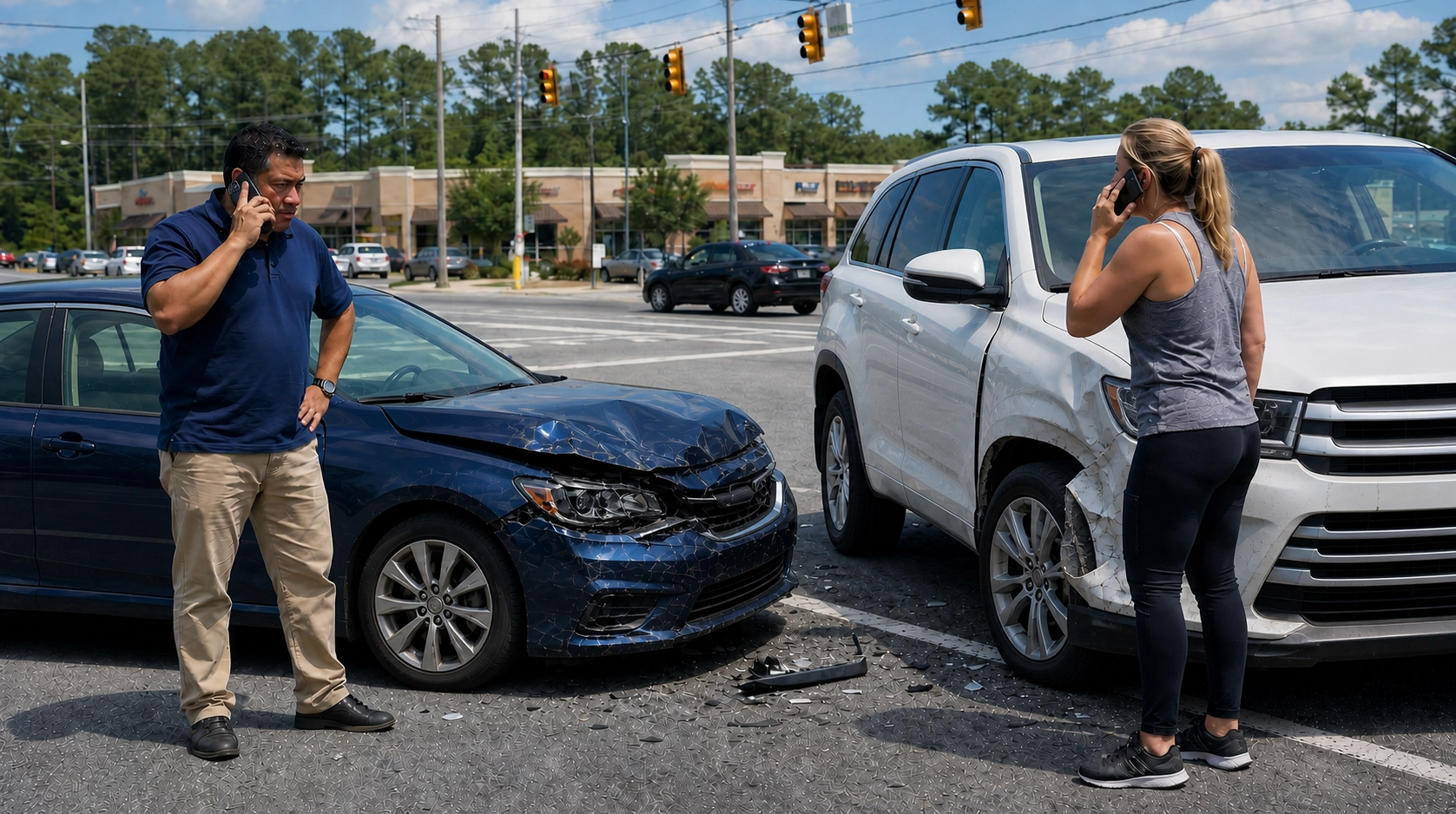
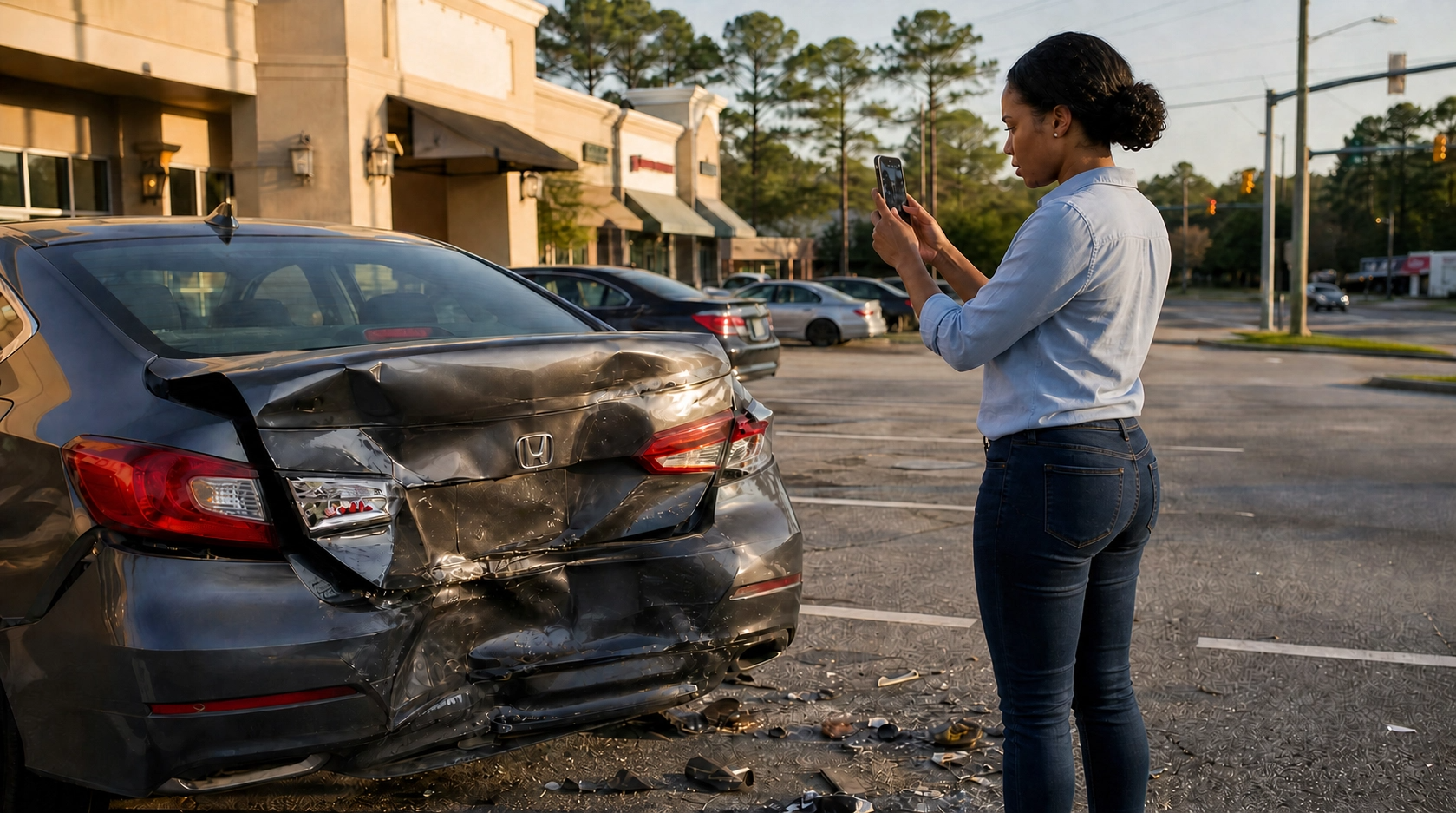
Once you’re in a safer position: photograph the vehicle damage and lane positions, gather driver information, write down any company names or USDOT markings on commercial vehicles, and identify witnesses before they pull away and disappear down the highway.
The scene on I-85 changes fast. What’s visible now won’t be there long.
Why Medical Treatment Matters So Much After A Highway Crash
High-speed crashes can hide serious injuries.
Neck and back injuries, concussion symptoms, shoulder damage, knee and wrist injuries. These can all feel minor right after the crash and get significantly worse over the next 24 to 72 hours. Adrenaline is a powerful numbing agent. Don’t trust how you feel in the first hour.
If you wait too long to get treatment, the insurance company may argue the crash wasn’t serious enough to cause what you’re reporting later.
Prompt treatment protects your health. And it creates the medical timeline that holds the claim together.
Why Commercial Traffic Can Raise The Stakes
I-85 carries tractor-trailers, delivery trucks, utility vehicles, and company fleets every single day. When one of those vehicles is part of the crash, the case gets harder fast.
A commercial vehicle case can involve:
- Larger insurance policies with more resources behind them
- Company investigators or adjusters who get moving immediately
- Driver logs or work records that need to be preserved
- Maintenance questions about the truck or vehicle itself
- Rules about driver training, hours, and vehicle condition
If a truck or company vehicle was part of what happened to you, a Georgia truck accident lawyer may need to look at what evidence should be locked down before it disappears.
Trucking companies move fast. Evidence doesn’t wait.
How Insurance Companies Approach Multi-Vehicle Interstate Claims
Insurers move fast after an I-85 crash because the damages can be large.
In a multi-vehicle case, they may try to:
- Limit the role of their driver in the chain of events
- Argue your injuries came from a different impact, not the one they’re responsible for
- Suggest your vehicle was already slowing or damaged before the key collision happened
- Get a recorded statement from you before you understand the full sequence
That last one matters. In a high-speed pileup, most people don’t have a perfect memory of every single impact. That’s completely normal. But guessing can hurt you. A statement you give before you know all the facts can later be used to undercut your claim.
Be careful. Be factual. And don’t rush.
What Evidence Helps In An I-85 Crash Case?

Strong evidence includes photos of all vehicles involved, showing their damage patterns and their positions on the road at the time of the crash. A full police report documenting the officer’s observations at the scene. Medical records from emergency treatment and follow-up visits that show when symptoms appeared and what they were. Witness statements from other drivers or bystanders who saw how the sequence unfolded.
Dashcam footage from any vehicle involved matters a lot. So does footage from Georgia DOT cameras or nearby commercial properties along the corridor, but only if a preservation request goes out fast enough. This footage gets overwritten. An attorney can send a spoliation letter that requires relevant parties to hold evidence while the case is being evaluated.
Don’t wait on that.
What If Fault Is Disputed?
That happens on I-85. Regularly.
One driver says the other braked without warning. Another blames congestion. A third says a truck forced everyone to react. In chain-reaction crashes, there can be several contributing factors and nobody who agrees on the order they happened.
Georgia law may still allow you to recover damages even if you were partly at fault, as long as you were less than 50 percent responsible. That makes early case evaluation important. The insurer’s first version of the story is not the only version. And it’s definitely not yours.
Why Early Legal Guidance Can Make A Difference
Early legal help is not just about filing paperwork down the road.
It’s about protecting the case while the facts are still fresh and the evidence still exists, preserving vehicles before they’re repaired, organizing treatment records from day one, identifying all insurance coverage in play, handling insurer communications carefully, and dealing with the practical headaches of rentals and property damage that pile up while you’re hurt.
One client, LaToya Brown, shared: “My attorney, Isaac Salemusy, responded promptly to all of my concerns and kept me informed throughout every aspect of the case.”
That kind of steady communication matters when a highway crash leaves your whole life upside down.
When Should You Reach Out For Help?
Get guidance quickly if:
- The crash involved several vehicles
- You were taken for treatment or your symptoms are getting worse
- A truck, van, or company vehicle was involved
- The insurance company is already asking for statements
- You’re missing work or dealing with serious vehicle damage
If you were hurt on I-85, a Gwinnett personal injury lawyer can help you understand what to do next and how to protect the claim before the insurance company gets too far ahead.
The I-85 corridor sees some of the most complex crash cases in Georgia. High speed, heavy volume, and commercial traffic mean these cases rarely follow a simple path. Evidence disappears faster than it would on surface streets. Multiple parties can be liable. And the insurance companies involved are well-resourced and quick to build their side of the story.
Getting in early gives you a real shot at changing that outcome.
Georgia’s statute of limitations means the clock is already running from the date of the crash, which is one more reason not to wait.
Call (770) GOOD-LAW for a free case evaluation if you were hurt on I-85 and need help sorting out a multi-vehicle crash.