Quick Summary
Pedestrians hit by cars in the Atlanta metro area have the right to pursue personal injury claims for their medical expenses, lost wages, and pain and suffering. Despite the common assumption that pedestrians always have the right of way, Georgia law uses a comparative negligence analysis that can affect how much you recover. Acting quickly to document the scene, seek medical care, and consult an attorney significantly improves your ability to recover fully from a serious pedestrian accident.
Your Rights, Your Case, and What to Do Now
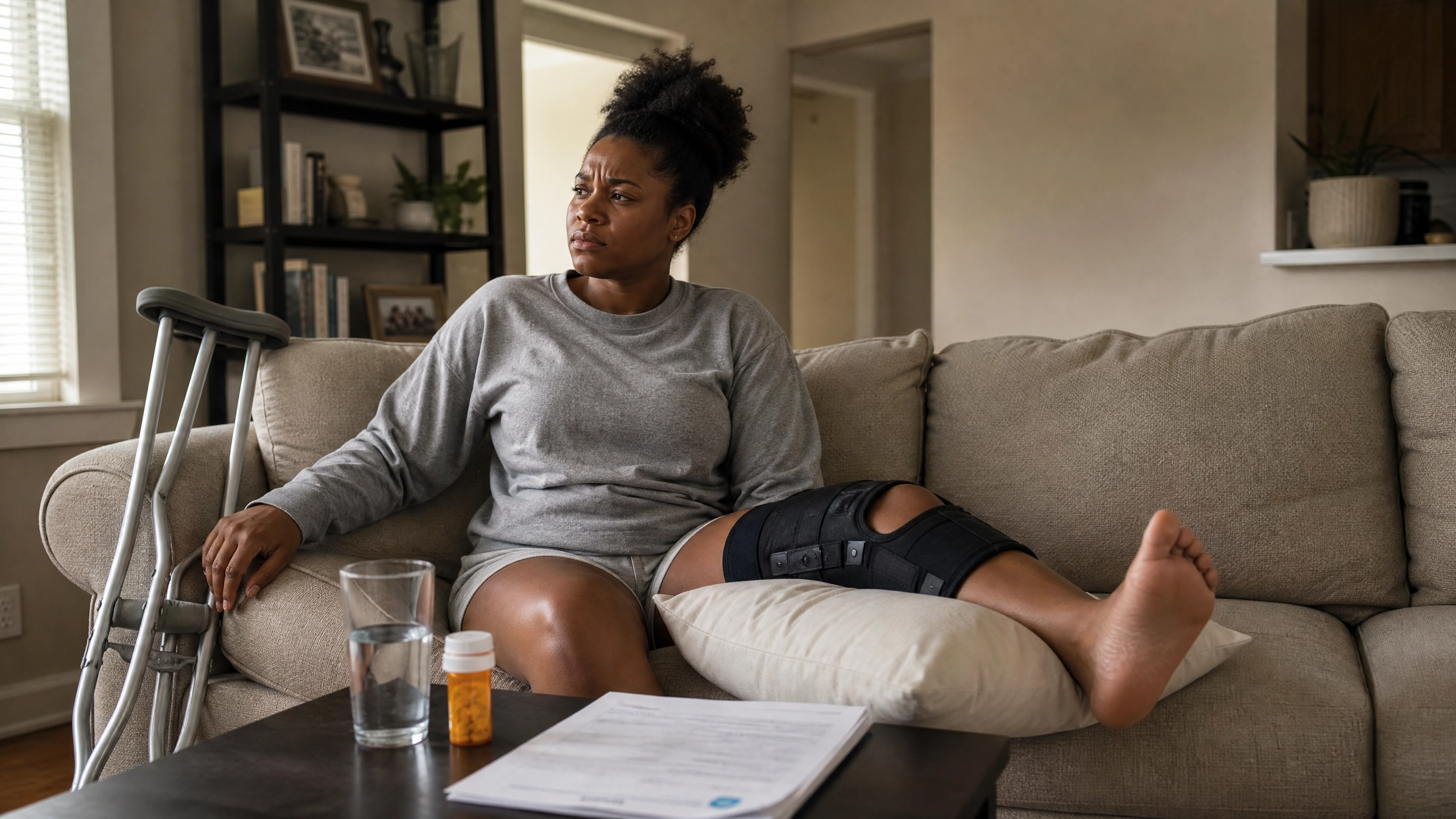
Being hit by a car on foot is one of the most traumatic experiences a person can have. You had no crumple zone, no airbag, no steel frame around you. What a crash is to a driver, it is multiplied several times over for the person who was struck walking.
And yet in the days after a pedestrian accident in Georgia, many injured people hear the same discouraging message from well-meaning family members, from insurance adjusters, or from their own fears: “You shouldn’t have been walking there.” “Maybe you stepped out too far.” “You might share some of the blame.”
This article is for the person who is not sure where they stand legally, who needs to understand what actually happened and what they are actually entitled to under Georgia law.
Does the Driver Always Have to Yield to Pedestrians in Georgia?
Not always, and this is where a lot of confusion starts.
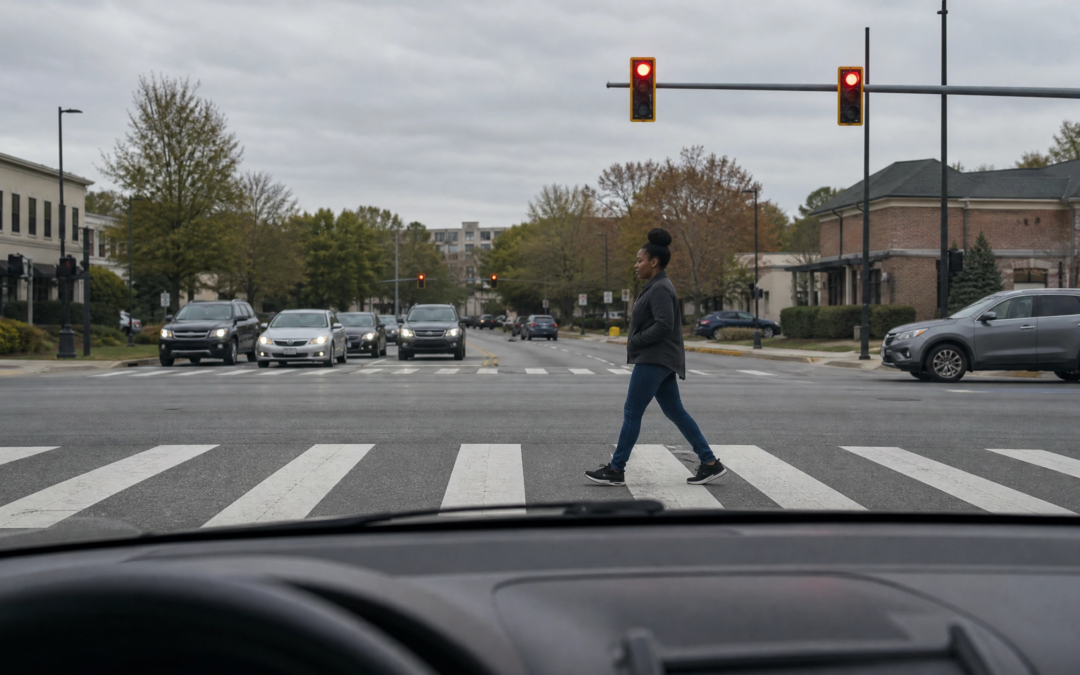
Georgia law does require drivers to yield to pedestrians in crosswalks. Under O.C.G.A. 40-6-91, drivers approaching a crosswalk where a pedestrian is crossing, or about to cross, must slow down or stop to allow the pedestrian to cross safely.
But Georgia also places obligations on pedestrians. Under O.C.G.A. 40-6-92, pedestrians crossing outside of a marked or unmarked crosswalk at an intersection must yield to vehicles. And under O.C.G.A. 40-6-96, pedestrians walking on or along a roadway generally should use a sidewalk where available, and where none exists, should walk facing oncoming traffic.
The practical reality is that many pedestrian accident cases in Georgia involve some degree of shared fault. This does not mean the pedestrian is out of luck. Georgia’s comparative negligence law (O.C.G.A. 51-11-7) allows pedestrians who are partially at fault to still recover, as long as their fault does not exceed 50%.
A pedestrian who was crossing outside a crosswalk but who was still struck by a driver who was speeding and not paying attention may bear 25% of the fault. Under Georgia law, they can still recover 75% of their total damages from the driver.
What Injuries Are Most Common After a Georgia Pedestrian Accident?
Because pedestrians have no physical protection in a collision, the injuries tend to be severe.

Orthopedic fractures are among the most common. Arms, legs, hips, and the pelvis absorb the initial impact. Hip fractures in older adults are particularly serious and can be life-altering.
Traumatic brain injuries (TBI) occur when a pedestrian strikes their head on the vehicle or the pavement after impact. TBIs range from mild concussions to severe brain trauma with lasting neurological effects. Many TBIs are not immediately apparent after the accident.
Spinal cord injuries can occur when the force of the impact or the fall after impact damages the vertebrae or spinal cord. These injuries can cause partial or complete paralysis.
Soft tissue injuries including torn ligaments, muscle damage, and nerve injuries are common and, like TBIs, often do not present immediately.
Psychological trauma including post-traumatic stress disorder is a real and recognized component of pedestrian accident injuries. The sudden, violent nature of being struck by a vehicle creates genuine psychological harm that is compensable under Georgia law.
The severity of your injuries directly affects the value of your claim, which is one reason why seeking medical care immediately and maintaining continuous treatment is critical.
What Should You Do Immediately After Being Hit by a Car in Georgia?
The decisions you make in the hours and days after a pedestrian accident have a direct impact on your ability to recover fully.
Call police. Even if you feel you can walk and your injuries seem manageable, call 911 and have police respond to the scene. An official police report creates the foundational record of what happened.
Do not decline medical treatment at the scene. EMS personnel who respond will offer to transport you to a hospital. Even if you do not believe your injuries are serious, let them evaluate you. Adrenaline suppresses pain in the immediate aftermath of a trauma, and you may not feel the full extent of your injuries for hours or days.
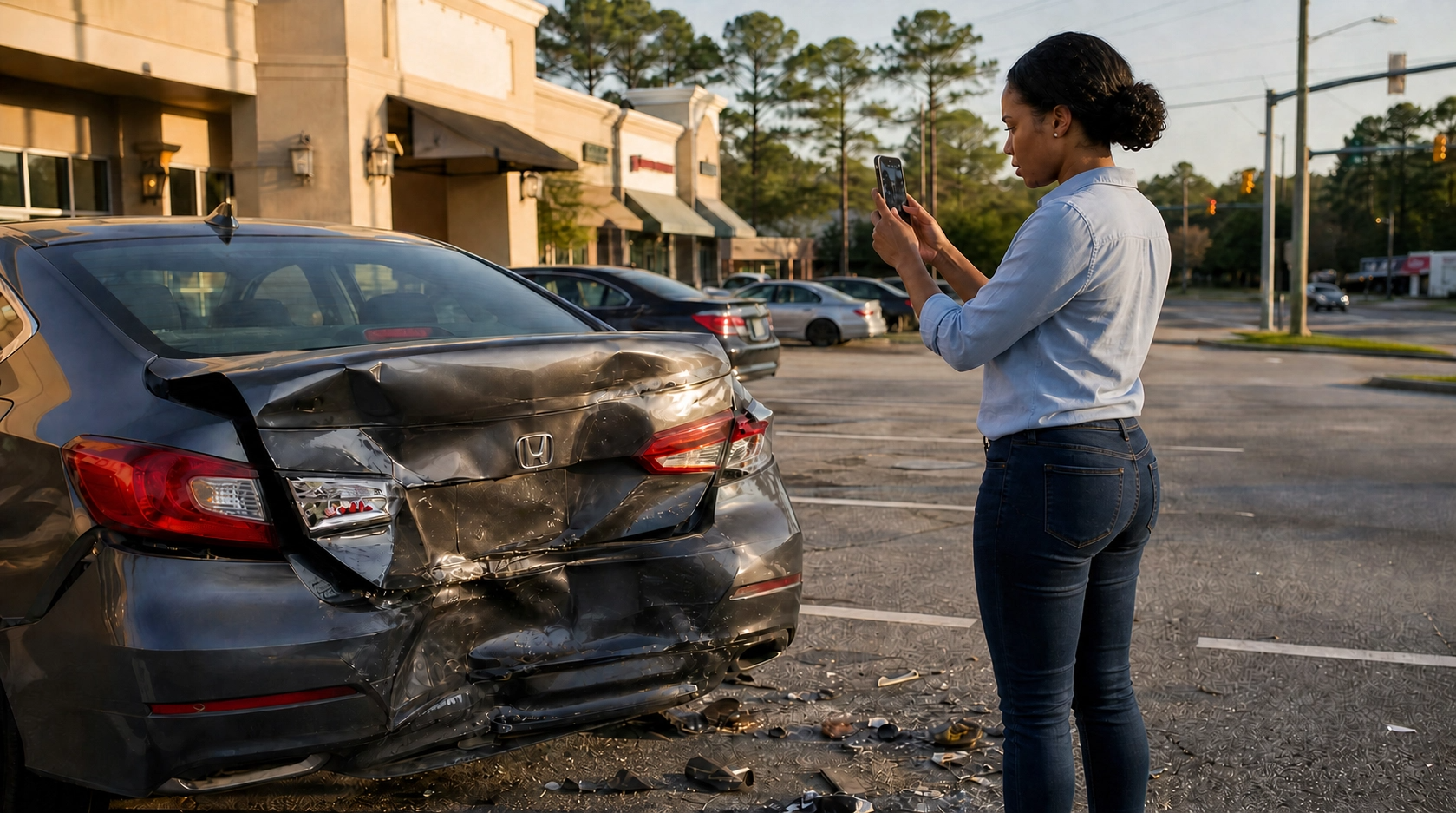
Document everything you can at the scene. Photographs of the vehicle that struck you, the position of the vehicle after the collision, the crosswalk or road conditions, any skid marks, and any visible injuries on your body. If witnesses are present, get their contact information before they leave.
Follow through on all medical care. Every appointment, every diagnosis, every prescription, every physical therapy session creates the documented record of your injury and recovery. Gaps in medical treatment give insurance companies grounds to argue that your injuries were not serious.
Do not speak to the driver’s insurance company without an attorney. They will call. They will be polite and seem helpful. They will ask you to give a recorded statement. Do not do it. That statement will be used against you.
How Much Is a Georgia Pedestrian Accident Case Worth?
There is no fixed formula, and any attorney who gives you a precise number without reviewing your medical records and the full facts of your case is not being straight with you.
The value of a pedestrian accident case is determined by:
Medical expenses. All past and anticipated future medical bills, including emergency room care, surgery, hospitalization, rehabilitation, physical therapy, and ongoing treatment.
Lost wages. If your injuries prevented you from working, the income you lost is compensable. If your injuries will permanently reduce your earning capacity, that future income loss is also compensable.
Pain and suffering. Georgia law allows recovery for the physical pain and emotional suffering caused by the accident and injuries. There is no set dollar amount for this. Courts consider the severity of the injury, the duration of the recovery, and the impact on the person’s daily life.
Disfigurement and permanent impairment. If the accident left you with permanent scarring, disability, or reduced function, these losses are separately compensable.
Property damage. Personal property damaged in the accident, such as a phone, glasses, bicycle, or clothing, is recoverable.
For serious pedestrian accidents involving significant injuries, claims in Georgia often reach into five and six figures. For catastrophic injuries involving permanent disability or traumatic brain injury, the values can be substantially higher.
What If the Driver Who Hit You Was Uninsured?
Georgia has a significant uninsured driver problem, and pedestrian accidents are no exception.
If the driver who struck you did not have insurance, or did not have sufficient insurance to cover your losses, you may be able to recover through your own auto insurance policy under the uninsured motorist (UM) or underinsured motorist (UIM) provisions, even as a pedestrian. Georgia law specifically extends UM/UIM coverage to pedestrians in many circumstances.
This is one more reason why contacting an attorney early is valuable. An attorney can identify all available sources of recovery and make sure you do not leave compensation on the table because you assumed the driver’s lack of insurance meant there was nothing to pursue.
Why Georgia Pedestrian Accident Cases Require Prompt Action
Georgia’s general statute of limitations for personal injury claims is two years from the date of the accident. But waiting two years to begin building your case is not advisable.
Security camera footage from businesses near the accident scene is typically overwritten within 30 to 90 days. Dashcam footage from nearby vehicles disappears when drivers format their cameras or upgrade vehicles. Witness memories fade. Physical evidence at the scene changes.
An attorney who begins working on your case quickly can send preservation letters, secure footage, identify and interview witnesses, and build the strongest possible foundation for your claim.
At 770GoodLaw, attorney Alex Nguyen and the legal team serve pedestrian accident victims throughout Gwinnett County, DeKalb County, Cobb County, Norcross, and Riverdale. Alex understands that the person on foot after an accident often feels more vulnerable legally than physically. The four contractual guarantees built into every client agreement are designed specifically to change that experience.
Call (770) GOOD-LAW for a free case evaluation. We can start coordinating your rental today.