Quick Summary
If you were hit by a driver who was texting or on their phone, Georgia law allows you to pursue compensation for your injuries, but proving distracted driving is not always straightforward. The other driver is unlikely to admit it, and building that part of your case takes specific evidence. This article explains how those claims work and what you can do.
Texting While Driving Is Not Just Rude, It Is Dangerous
People talk about distracted driving like it’s a forgivable slip. A split-second. A minor lapse.
Not even close.
At 40 miles an hour, looking at a phone for five seconds means traveling the full length of a football field without your eyes on the road. That’s not a small mistake. That’s a choice to remove yourself from the act of driving while you are still doing it and other people’s lives are in your path.
On Jimmy Carter Boulevard, on I-85, on Buford Highway, on Pleasant Hill Road, the roads where people in Gwinnett County actually live and drive. A five-second distraction can cause a rear-end crash and a lane drift and a pedestrian strike and a chain-reaction pile-up. The victim feels that instantly. The driver, apparently, thought the message couldn’t wait.
What Does Georgia Law Say About Hands-Free Driving?
Georgia’s hands-free law is clear.
Drivers can’t hold a phone and operate it with their hands while driving. The specifics matter in court, but the big picture for you as an accident victim is this: if the driver who hit you was holding or actively using a phone in violation of the law, that fact can go directly to the liability analysis.
It can explain why they never braked.
It can explain why they drifted across the lane.
And it gives legal weight to what you already knew from the moment of impact: this crash was preventable.
Why Victims Feel Weird About Bringing It Up
A lot of injured people downplay it.
They say things like, I’m not totally sure, or Maybe they were just checking GPS. They don’t want to sound accusatory. They don’t want to seem like they’re exaggerating. They’re trying to be fair.
That instinct is understandable. It’s also how important evidence gets buried.
Distracted driving cases aren’t built on a confession. The other driver will almost certainly deny it. That denial doesn’t end the inquiry. It’s just the starting point.
What Evidence Can Help Prove Distracted Driving?
Move fast. That’s the core rule.
Phone distraction evidence disappears faster than almost any other kind and once it’s gone it doesn’t come back and no one can retrieve it no matter how strong your case looks on paper. The window to gather it is short.
Evidence that can support a distracted driving claim:
- Witness statements about the driver’s head position or phone use at the moment of impact
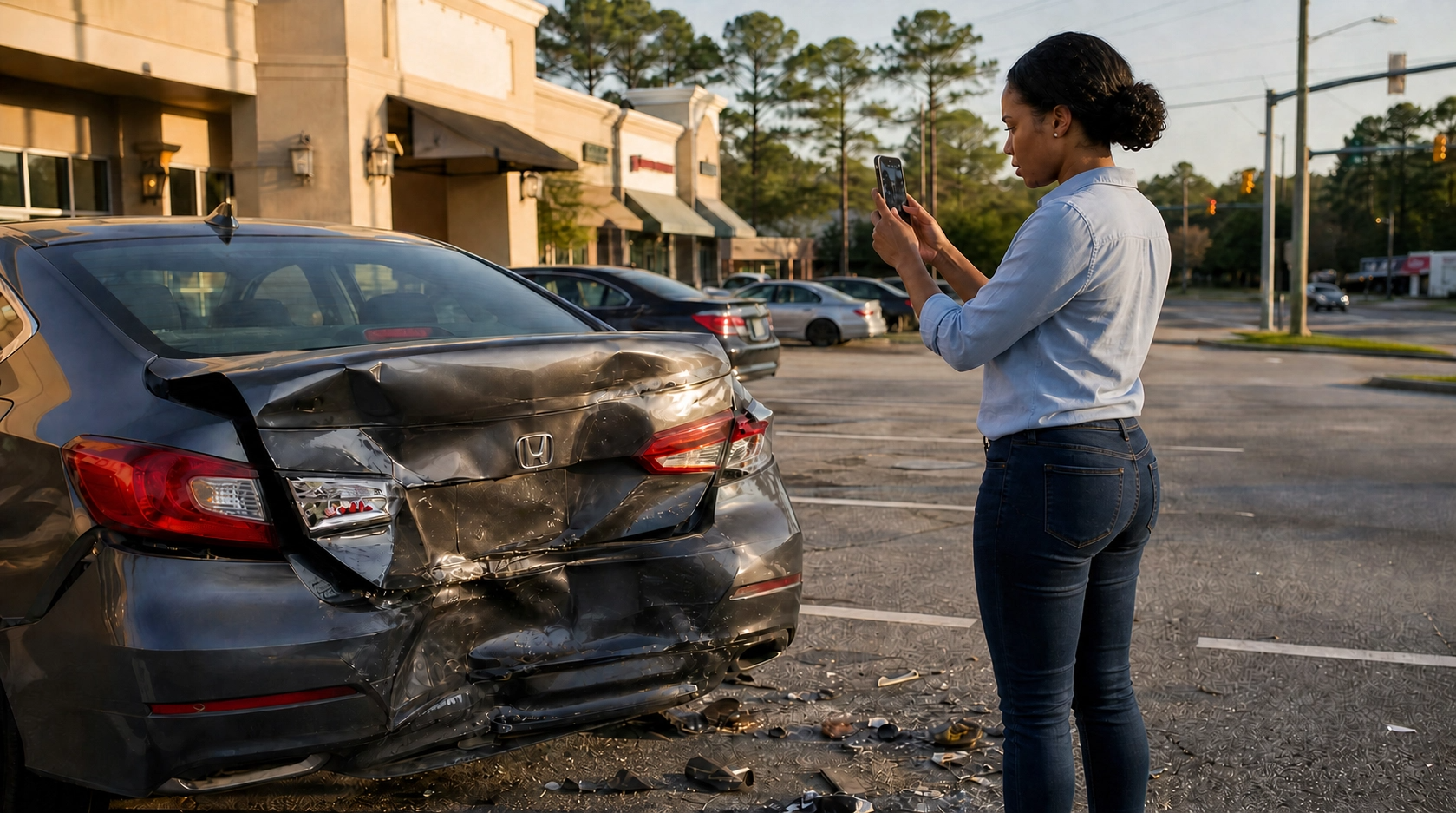
- Crash-scene photos and vehicle damage patterns consistent with zero reaction before impact
- Dashcam footage from your car or another vehicle nearby
- Surveillance video from businesses or parking lots near the crash site
- Statements the driver made at the scene
- Phone records and app activity, where legally obtainable
- The timing of calls, texts, or notifications in the seconds before impact
Not every case will have all of these. But distracted driving is more provable than most people assume when someone acts quickly.
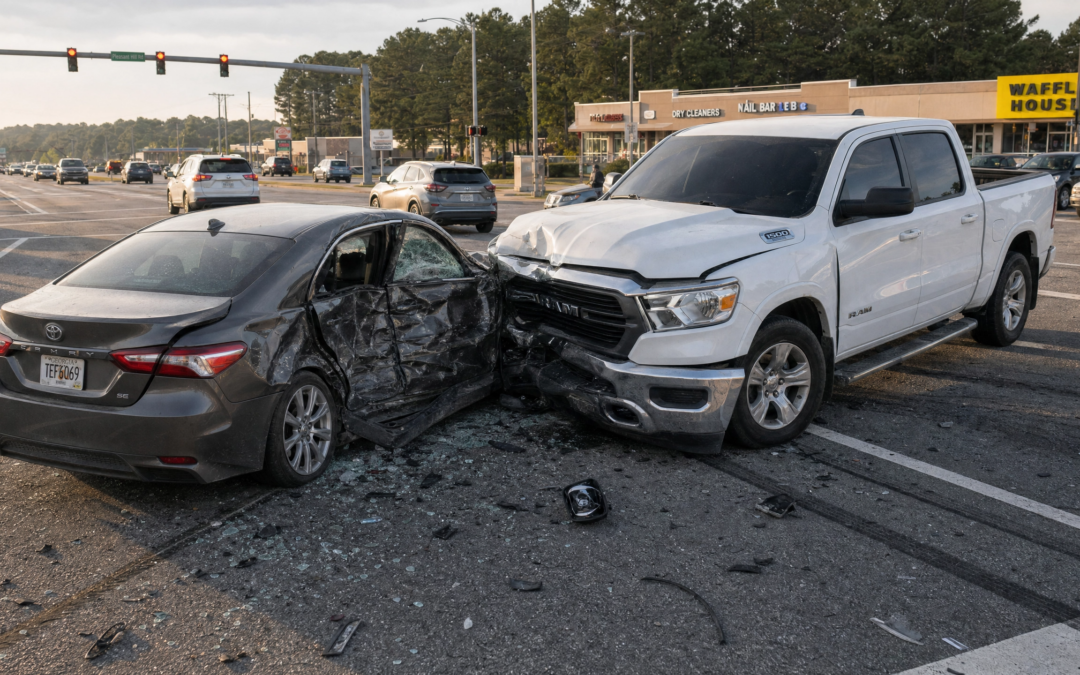
If you were rear-ended at a red light by a driver who never braked, or struck by someone who drifted across a lane on a busy Georgia road, those crash facts already fit the distraction picture before any deeper evidence comes in.
Short. Gone.
Why Timing Matters In These Cases
People figure they can handle the medical side first and deal with the legal side later.
That logic costs real money.
Business cameras near crash sites overwrite their footage on rolling cycles, sometimes every few weeks. Witnesses move on and forget the details that felt vivid right after the crash. A phone-related clue that seemed obvious at the scene becomes very hard to tie to the moment of impact six months out.
If the wreck happened in Norcross, Duluth, Doraville, DeKalb County, or Cobb County, the same urgency applies. Busy corridors give you more potential outside evidence to work with, but only for a short window.
A texting and driving crash is not a standard fender-bender that can wait until everyone has time. Waiting destroys proof.
The Driver’s Choice Matters, Even If They Won’t Admit It

Here’s what makes distracted driving cases different from other crashes.
The phone was a choice.
The driver didn’t fall asleep from a medical condition. They didn’t skid on unexpected ice. They picked up a phone or kept looking at a screen while operating a vehicle at highway speed and other people were around them. That choice is the injury. And the law treats choices differently than pure accidents.
That matters when the case gets evaluated. Recklessness is not the same as a simple mistake and showing that the driver was actively ignoring the road changes how fault is framed and how accountability gets pursued.
What The Insurance Company Will Try To Do
Don’t expect the insurer to agree the driver was texting.
They won’t.
The adjuster will look for simpler explanations. Weather. Road conditions. Your speed. Your lane position. They’ll try to find any explanation that keeps the word phone out of the conversation.
If you accept that framing early, you lose ground. Your job isn’t to fight the adjuster. Your job is to preserve what you know, get treatment, and get someone on your side before the story gets shaped by the people working against you.
Do Not Assume The Truth Will Preserve Itself
- The other driver is going to deny it.
- The insurer is going to find a simpler story.
- Witnesses are going to forget.
The window to secure stronger proof is going to close.
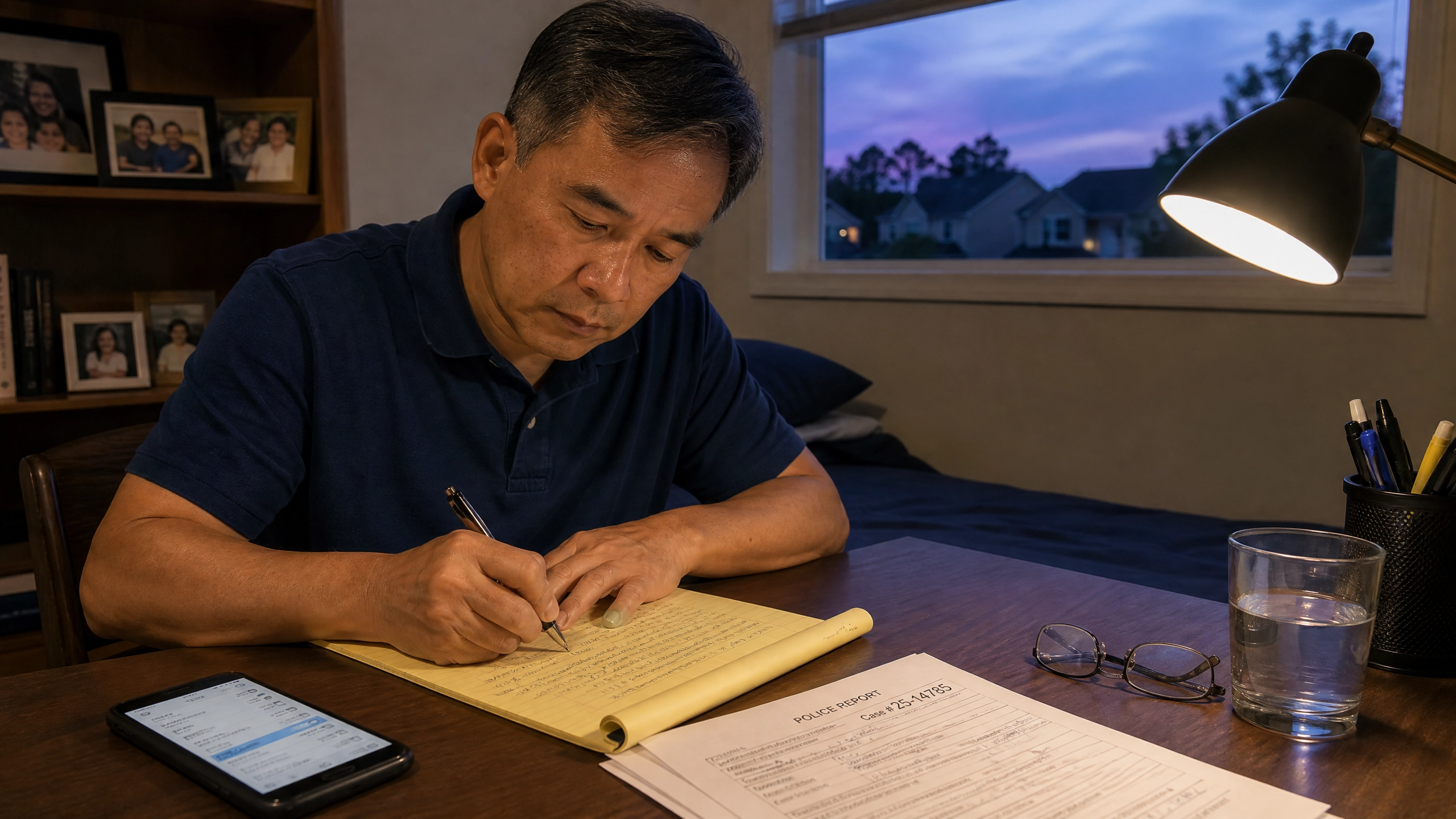
If you believe the driver who hit you was on their phone, say so clearly. Write it down. Preserve what you can. Get treatment. And get guidance before your case gets defined by someone who is working against your interests.
That’s not overreacting. That’s protecting yourself.
Ready To Talk About A Texting And Driving Crash In Georgia?
If you were hurt by a distracted driver in Georgia, 770GoodLaw can help you understand what evidence matters and what to do before it disappears.
As LaToya Brown wrote in a Google review for 770GoodLaw: “This is my second time using Good Law, and once again, they did not disappoint. My attorney, Isaac Salemusy, responded promptly to all of my concerns and kept me informed throughout every aspect of the case.”
The statute of limitations in Georgia gives you a window to act, but distracted driving evidence disappears fast, so waiting is not in your interest.
Call (770) GOOD-LAW for a free case evaluation if you think the other driver was texting and want help locking down proof early.